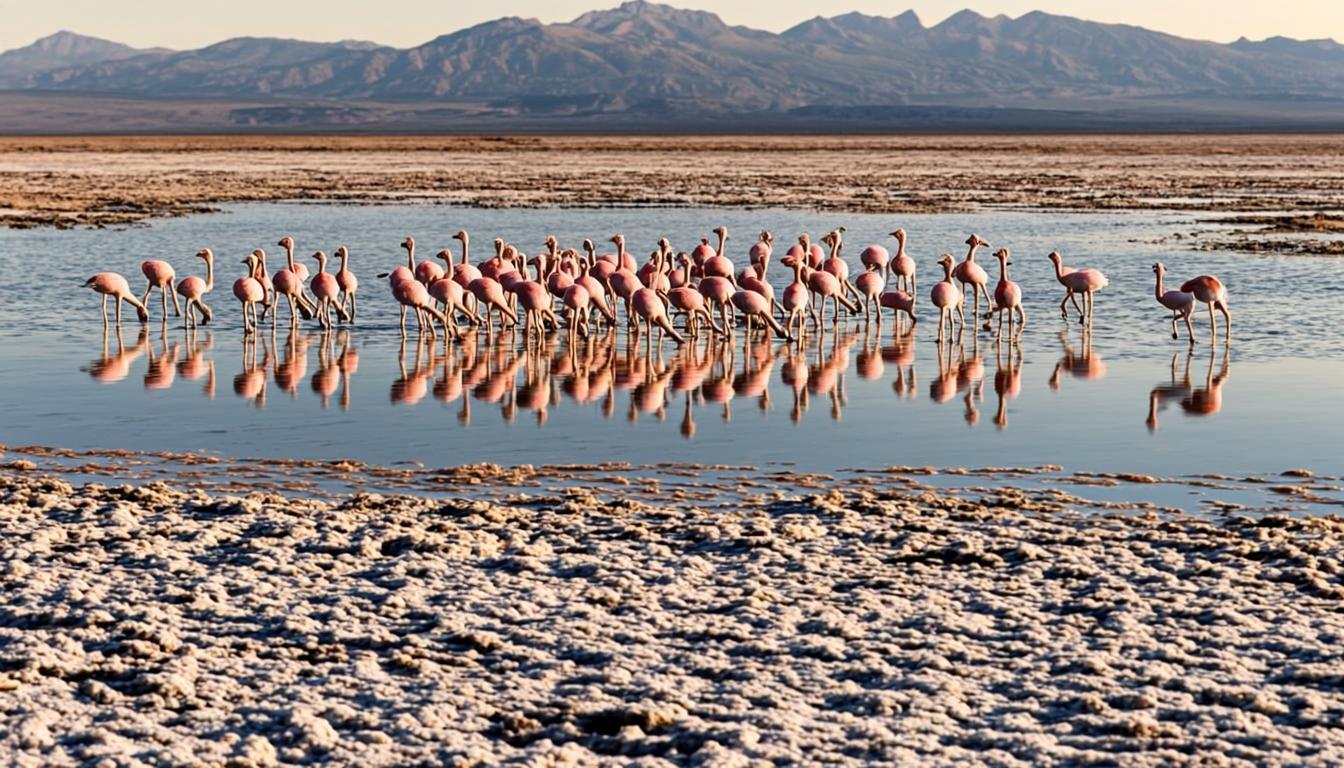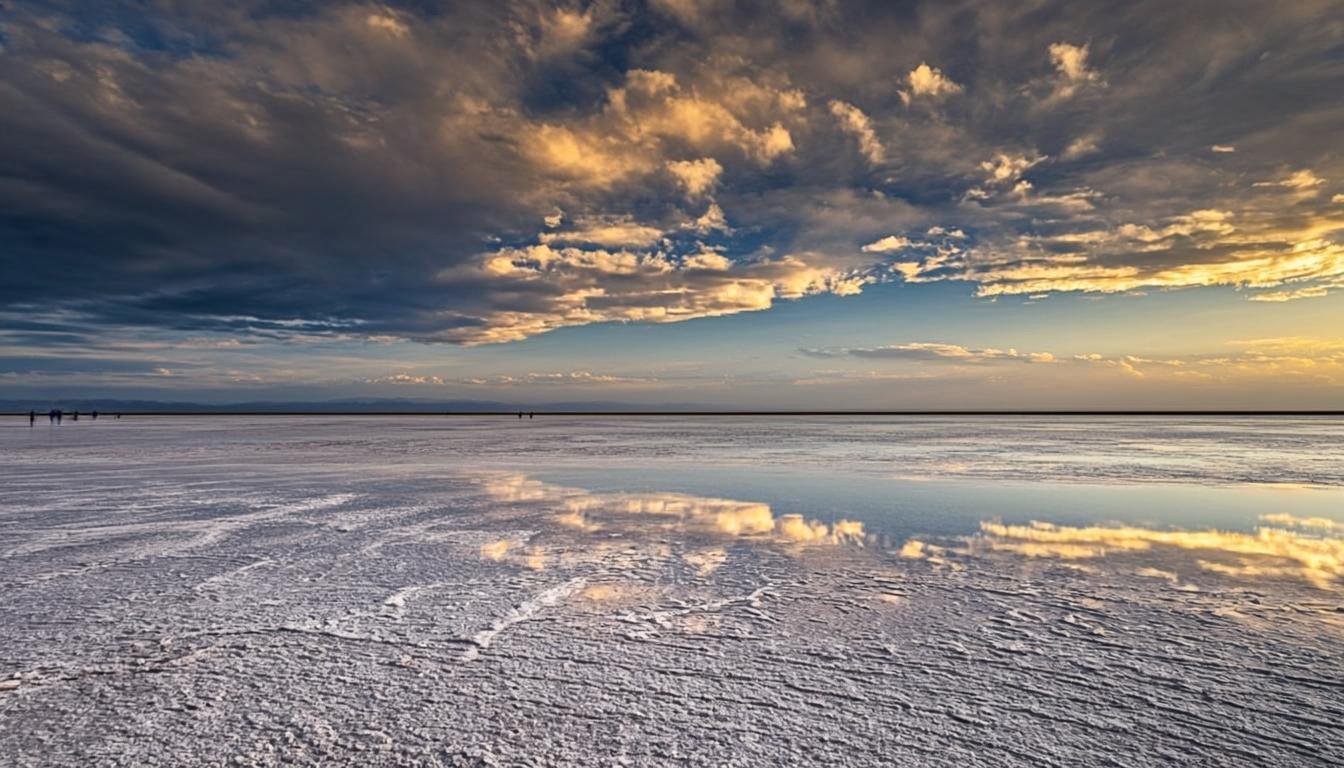
They are neighbors, both salt, both flamingo country, and both routinely described as "otherworldly" — yet Atacama and Uyuni are almost opposite trips. One is a comfortable base-town with day tours and the best skies on Earth; the other is a rugged multi-day 4x4 expedition onto the largest salt flat on the planet. This guide compares them honestly, because "which is better" depends entirely on what kind of traveler you are.
The 30-second answer
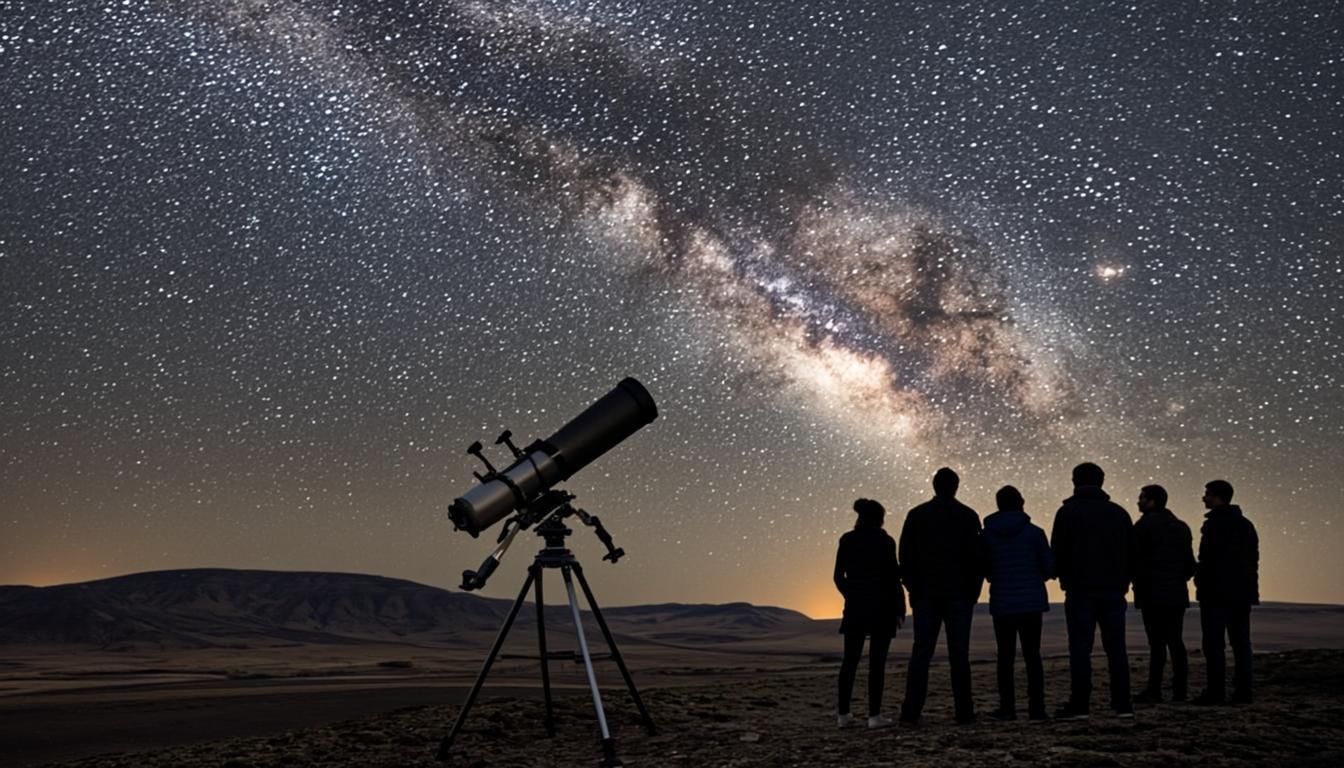
Atacama is a base-town experience: you sleep well every night in San Pedro at 2,450 m, eat well, and radiate out on half- and full-day tours. Uyuni is an expedition: one fixed route, three or four days, a 4x4, and nights in unheated refugios between 3,600 and 4,900 m. Comfort, flexibility and stargazing favor Atacama; scale, spectacle and the famous mirror favor Uyuni.
The classic mistake is treating them as substitutes. They are complements — which is why the single most popular long-haul route here is to start with Atacama, acclimatize on its itinerary (our 5-day plan is built for this), and then exit east over the border into the Uyuni circuit. Our Uyuni from San Pedro guide covers that crossing day by day.
Atacama = comfort + variety + stars. Uyuni = scale + spectacle + roughing it. They answer different questions.
What you actually see in each
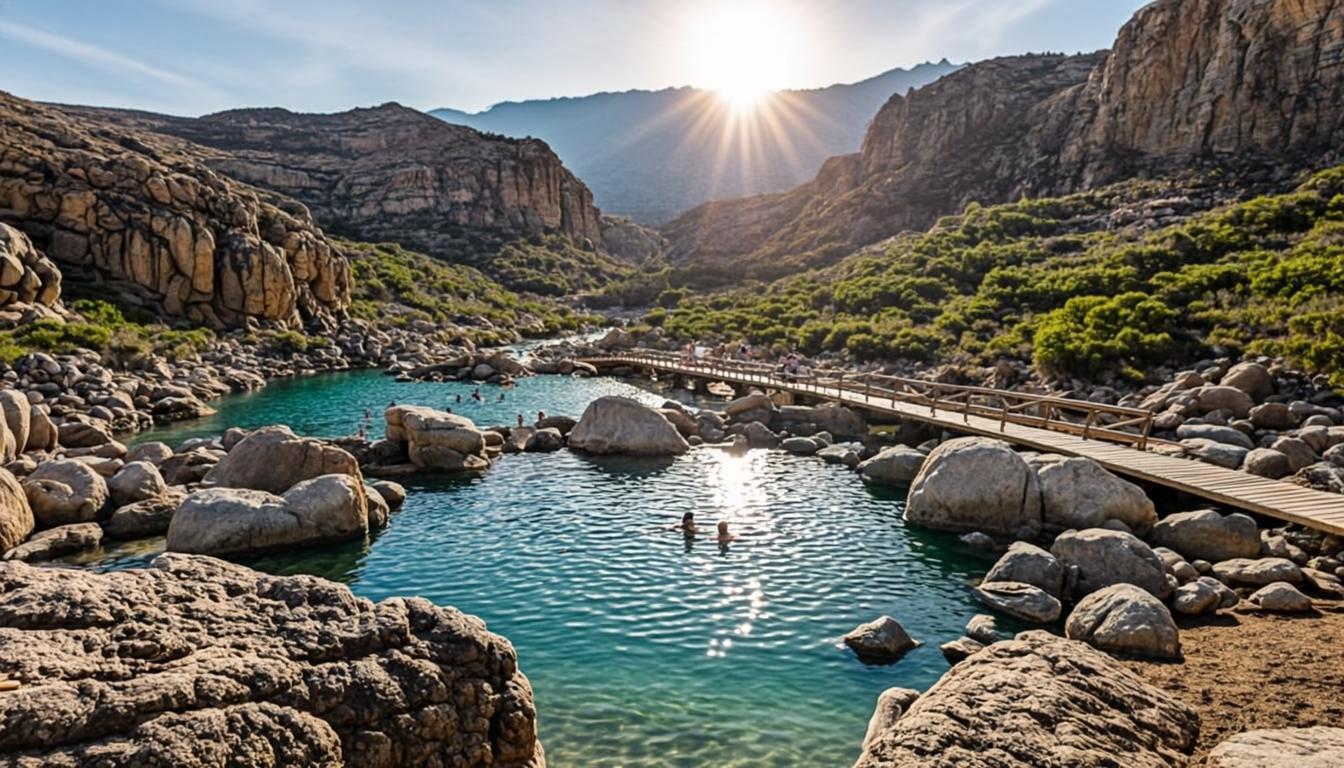
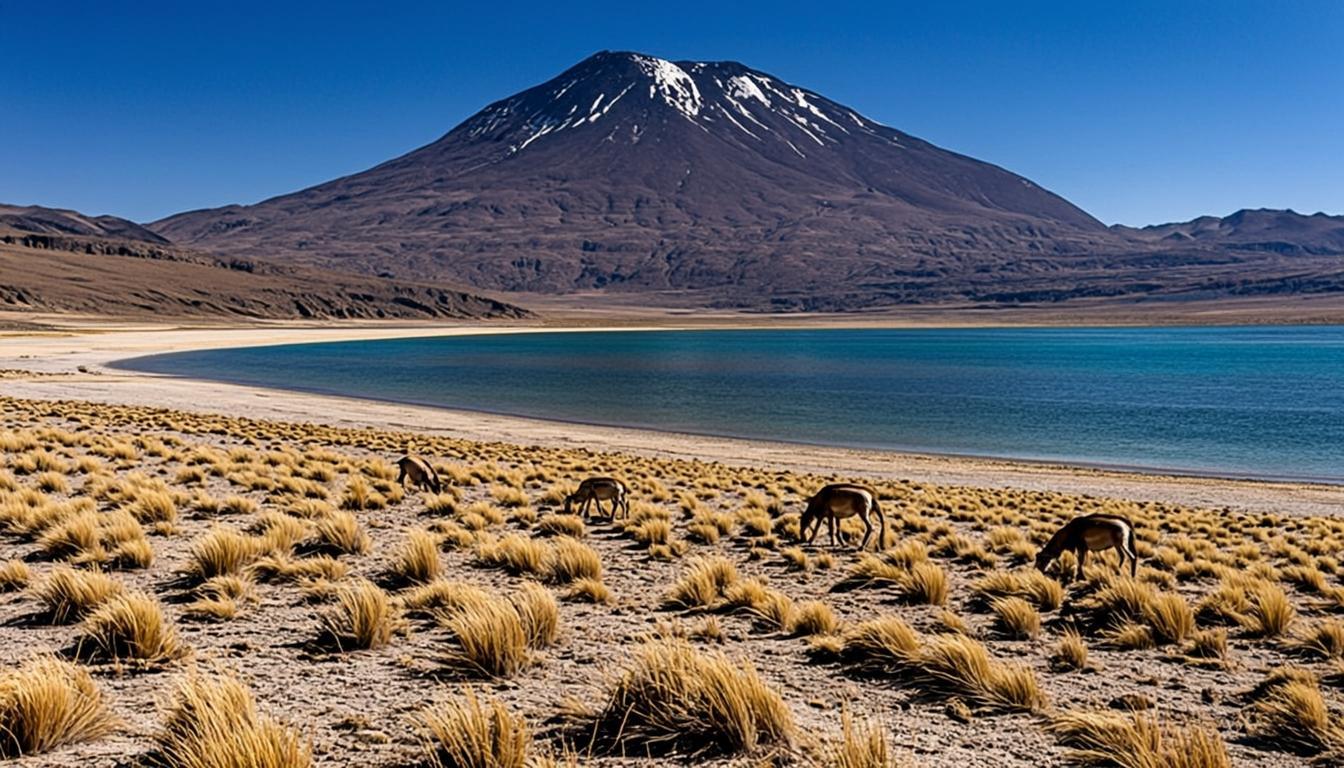
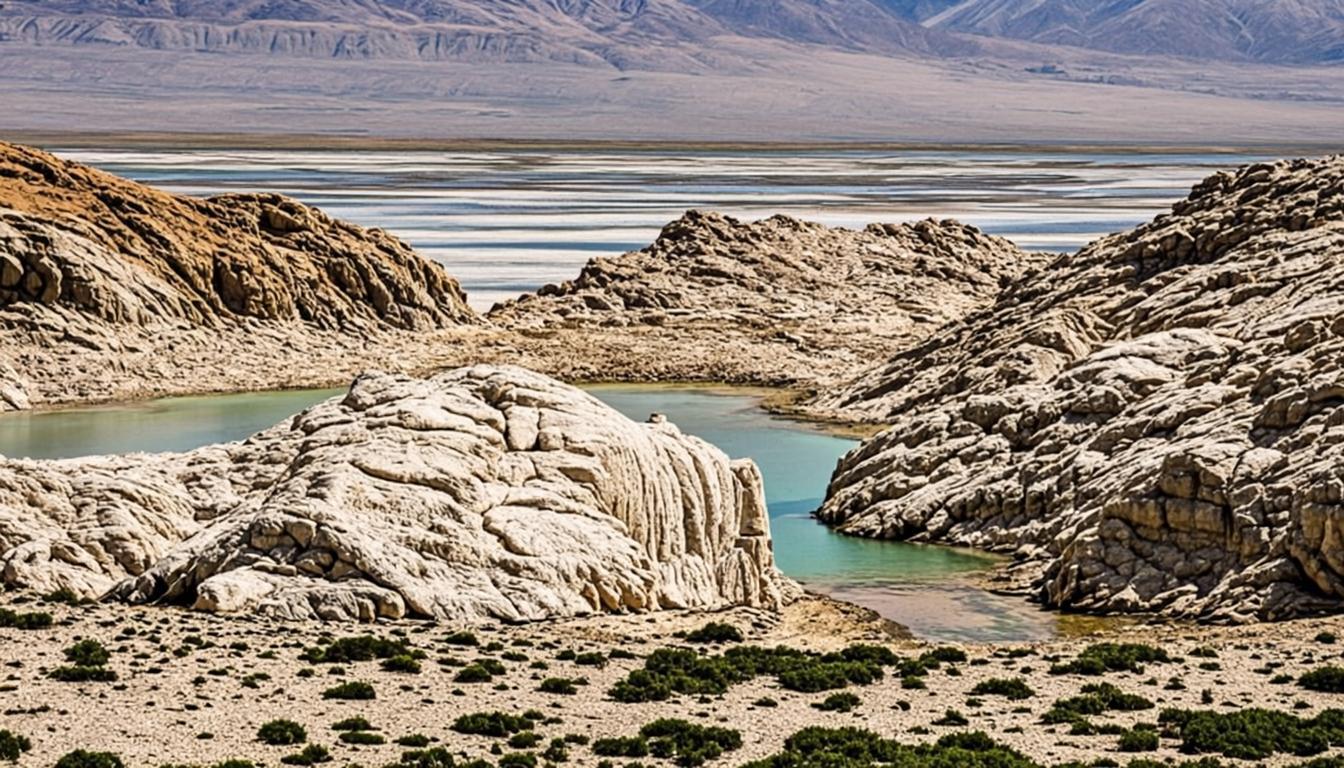
Both deliver flamingos, lagoons and geothermal fields, but the texture is different. Atacama carves its drama into rock — valleys, dunes, canyons and small, intensely colored lagoons within a couple of hours of town. Uyuni paints on a canvas the size of a country: an ice-white plain that floods into a perfect mirror in the wet season, dotted with cactus islands and framed by volcanoes.
If your must-shoot shot is the mirror, that is Uyuni and no other. If your priority is learning the sky or variety without roughing it, that is Atacama.
Cost, time and logistics compared
Per day, Uyuni is cheaper — the all-inclusive 3-day circuits run roughly US$ 60–90 per day with food, lodging and transport bundled. Atacama day tours cost more individually (US$ 27–135, see our verified price table), but you buy only what you want and sleep in comfort. Getting there differs too: Atacama flies into Calama (CLP/Chilean logistics, ATMs, card everything); Uyuni trips start from San Pedro or the town of Uyuni, and the border crossing needs documents our border FAQ summarizes.
Altitude and health: which is harder?
Uyuni, unambiguously. In Atacama you sleep at 2,450 m every night — the single best altitude medicine there is — and even the big excursions return to town the same day. The Uyuni circuit inverts that: Day 2 crosses geysers and lagoons at 4,900–5,000 m and many refugios sit near 4,200–4,600 m, so you sleep high, unheated, several nights running, with no town to retreat to.
Anyone with cardiac history, uncontrolled hypertension or previous severe altitude illness should get medical advice before booking the Bolivian circuit; the honest safety notes live in our Uyuni guide. For everyone else, the smart sequence is Atacama first — three nights minimum — which is exactly what the overland route from San Pedro gives you for free.
Atacama is the gentler altitude teacher; Uyuni is the final exam. Do them in that order.
Why the answer is often both — and how to sequence it
San Pedro is the natural gateway: one-way tours leave town, cross the border at Hito Cajón on Day 1, and finish three days later in Uyuni town, where flights connect to La Paz. Sequencing eastward means every night in Atacama is acclimatization credit for the Bolivian nights — the same logic our itineraries use, extended across a border. Book the crossing with a well-reviewed operator at least a couple of weeks ahead in high season, carry cash in both currencies, and pack for −10 °C nights even when the day feels tropical.
Going the other way works too (Uyuni town → San Pedro), and suits travelers arriving via La Paz. Either direction, do not plan anything important for your return evening — delays on dirt roads are routine, and the border opens on daylight hours only.
If you must choose one
Decision time, no hedging. Choose Atacama if: this is your first big desert trip, you travel on comfort, stars are a priority, or your dates fall in the dry season when Uyuni is white but mirror-less. Choose Uyuni if: the mirror photograph is the reason you are considering either, you are already acclimatized, you are crossing between Chile and Bolivia anyway, and basic lodging genuinely does not bother you.
One more honest cut: trip length. On a one-week vacation anchored in Chile, Atacama fits and Uyuni does not — the circuit eats half of it. On a South America overland run, both fit, and skipping either would be a shame for different reasons.
Comfort, flexibility, astronomy → Atacama, every time.
The mirror shot, endless horizons, overland adventure → Uyuni.
Wet-season dates (Dec–Apr) tilt hard toward Uyuni; dry-season dates tilt toward Atacama.
Have 8+ days and reasonable altitude health → do both, Atacama first.
Frequently asked questions
Sources & verification
Every fact in this guide was checked against Chilean institutions and reference services. We list the sources so you can verify the basics yourself — and because we do not accept sponsored claims from tour operators.
- SERNATUR — official Atacama visitor information on services, access and logistics
- Gobierno de Chile — official border-crossing documentation requirements for the Hito Cajón exit
- CONAF — Atacama-side park fees that feed the cost-per-day comparison
- MeteoChile — high-altitude climate records used to compare seasons on both sides of the route
External links open in a new tab and lead to official Spanish-language pages. Park rules and fees can change seasonally — double-check before you travel.