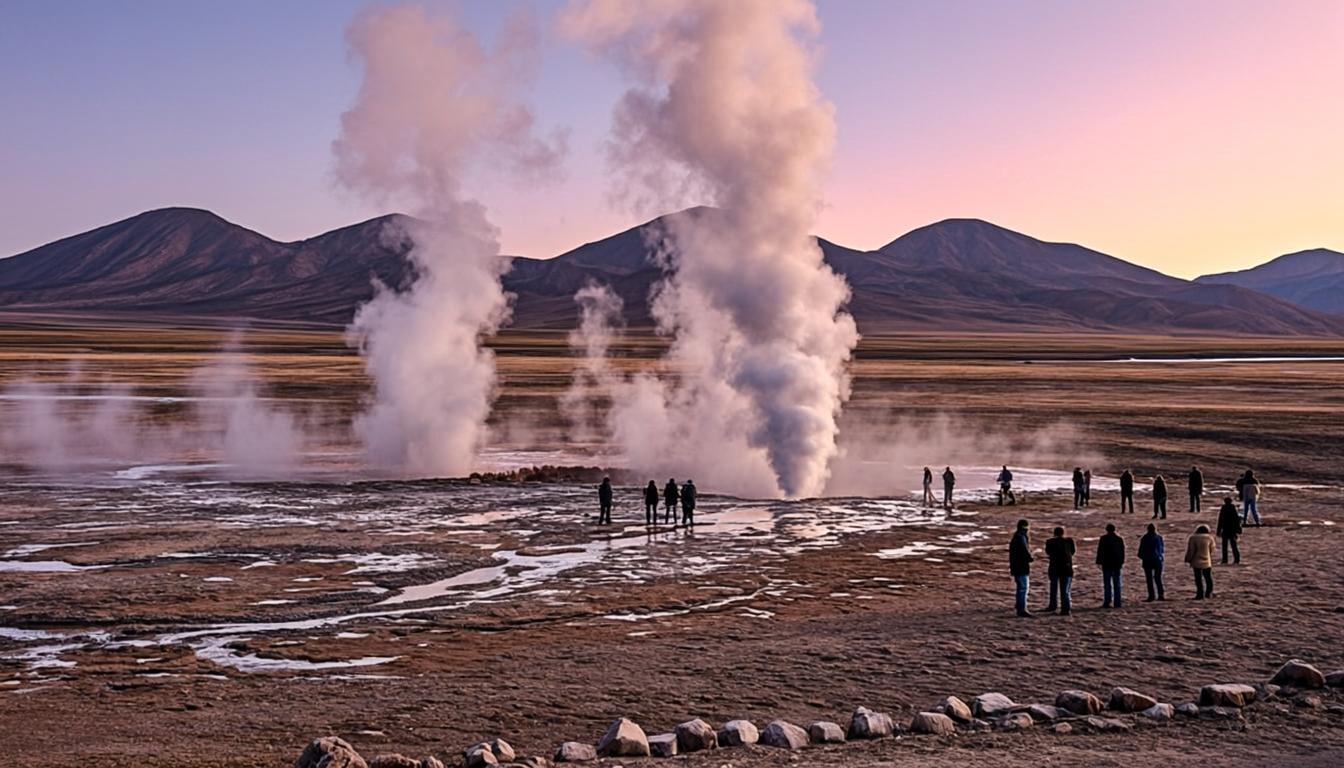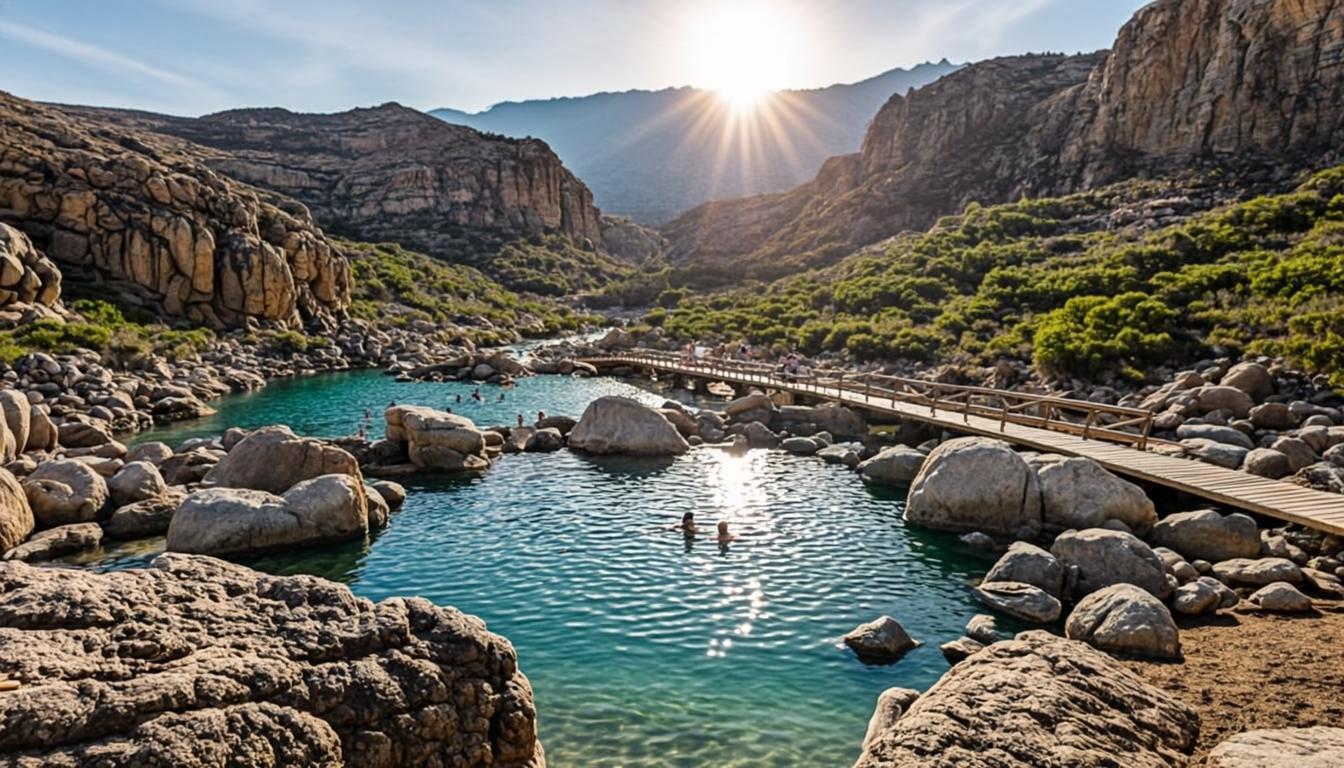
Five days is where San Pedro stops being a checklist and becomes a trip. The classic three-day triangle still anchors the plan, but you gain the two things a short trip can never afford: a genuine high-altitude day among the big lagoons, and a buffer morning for the desert weather to have opinions. This itinerary sequences both, with the altitude ramp built in.
Why five days is the sweet spot
Three days buys you the classics; five buys them back-to-back without exhaustion. The difference is structural: a 4:30 am Tatio start followed the next morning by another high-altitude departure is survivable but grim, while a five-day rhythm alternates hard dawns with late, low mornings. You also get the single best upgrade in the desert — a full day trip to the high-altitude salt flats and lagoons that day-trippers on three days simply cannot reach safely.
Five days also buys insurance. In the Bolivian-winter months (January–February, detailed in our best time guide) afternoon storms close Valle de la Luna and the high roads regularly enough that a one-buffer plan is not paranoia — it is the difference between seeing the valleys and reading about them.
Five days = classics + one high day + one buffer. That is the whole formula.
The day-by-day plan
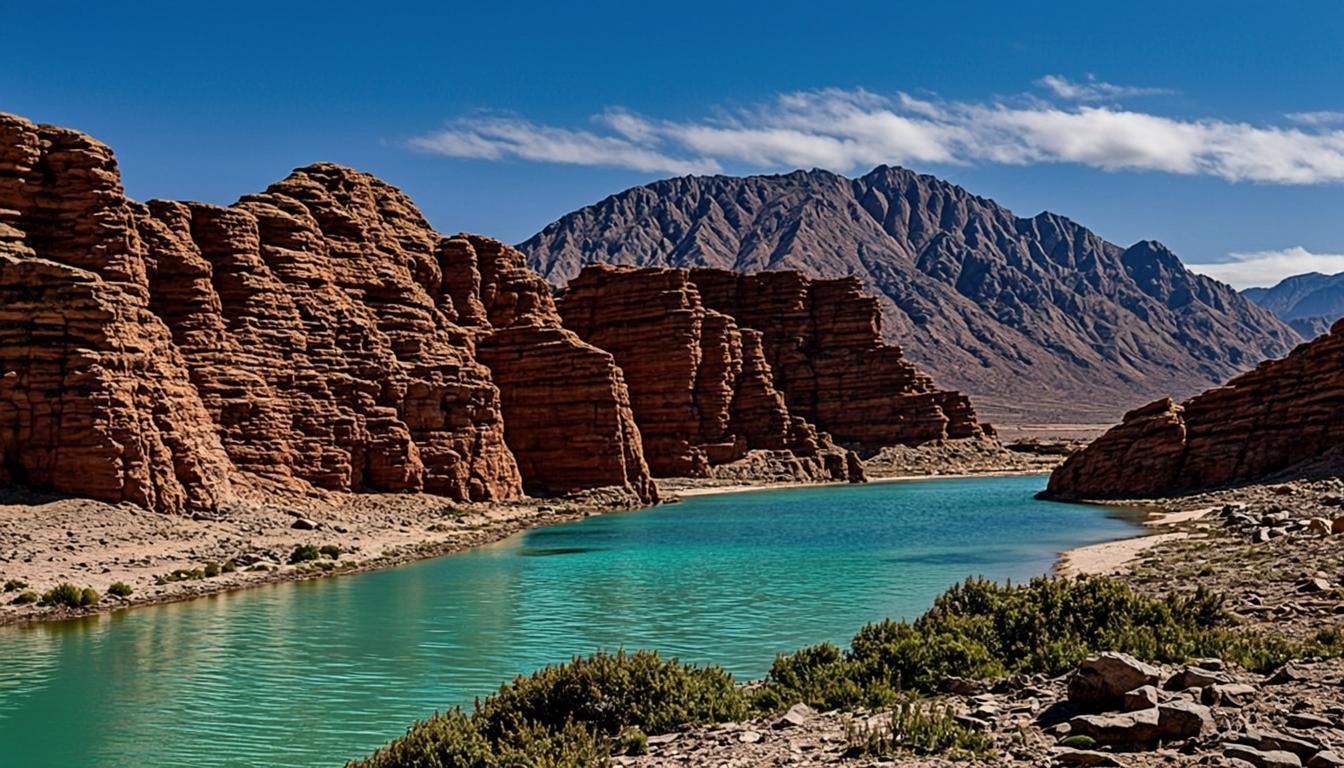
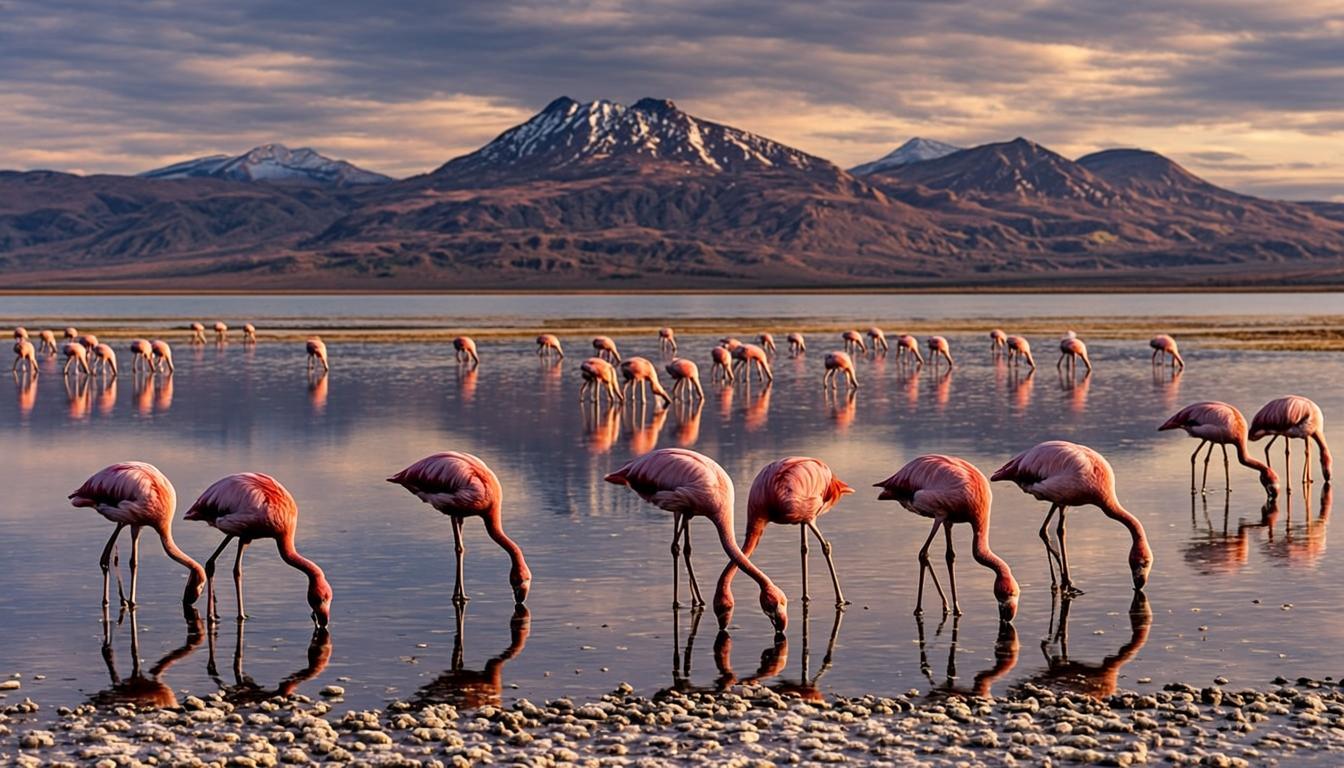
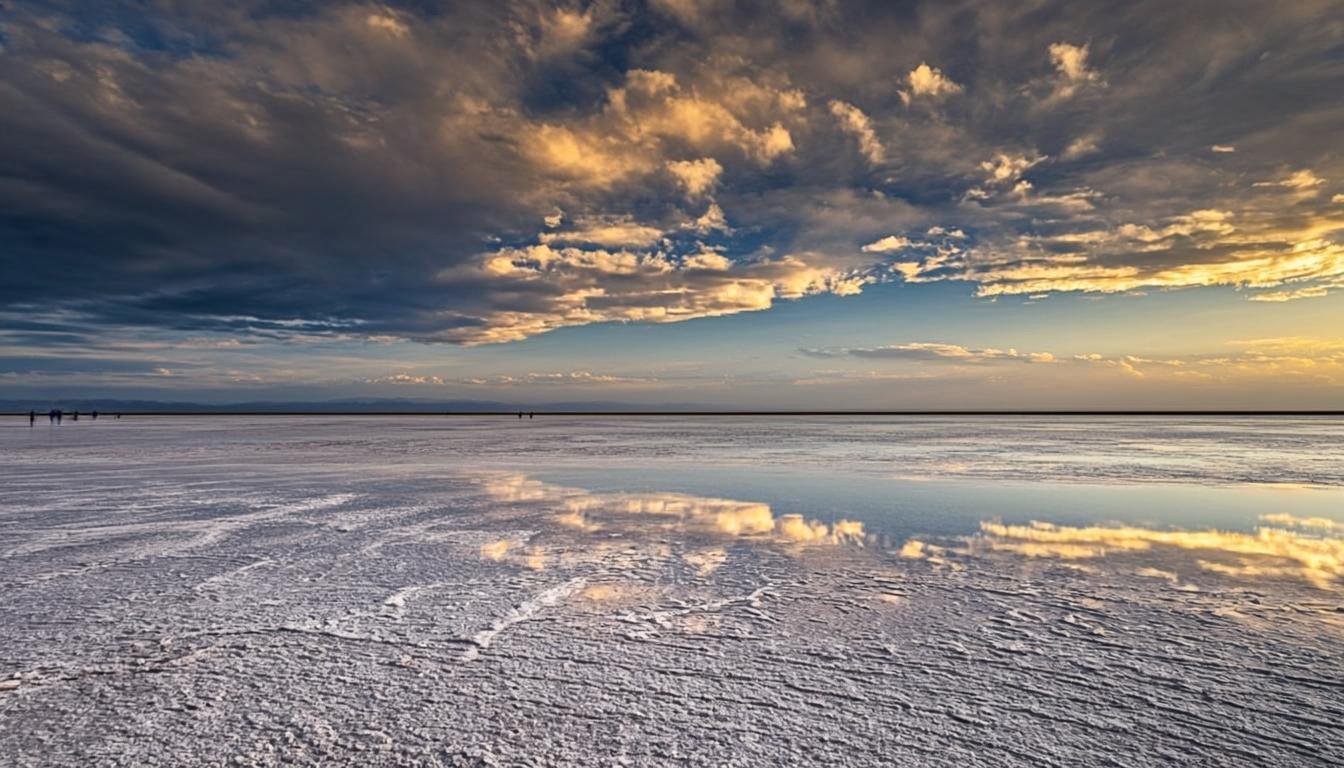
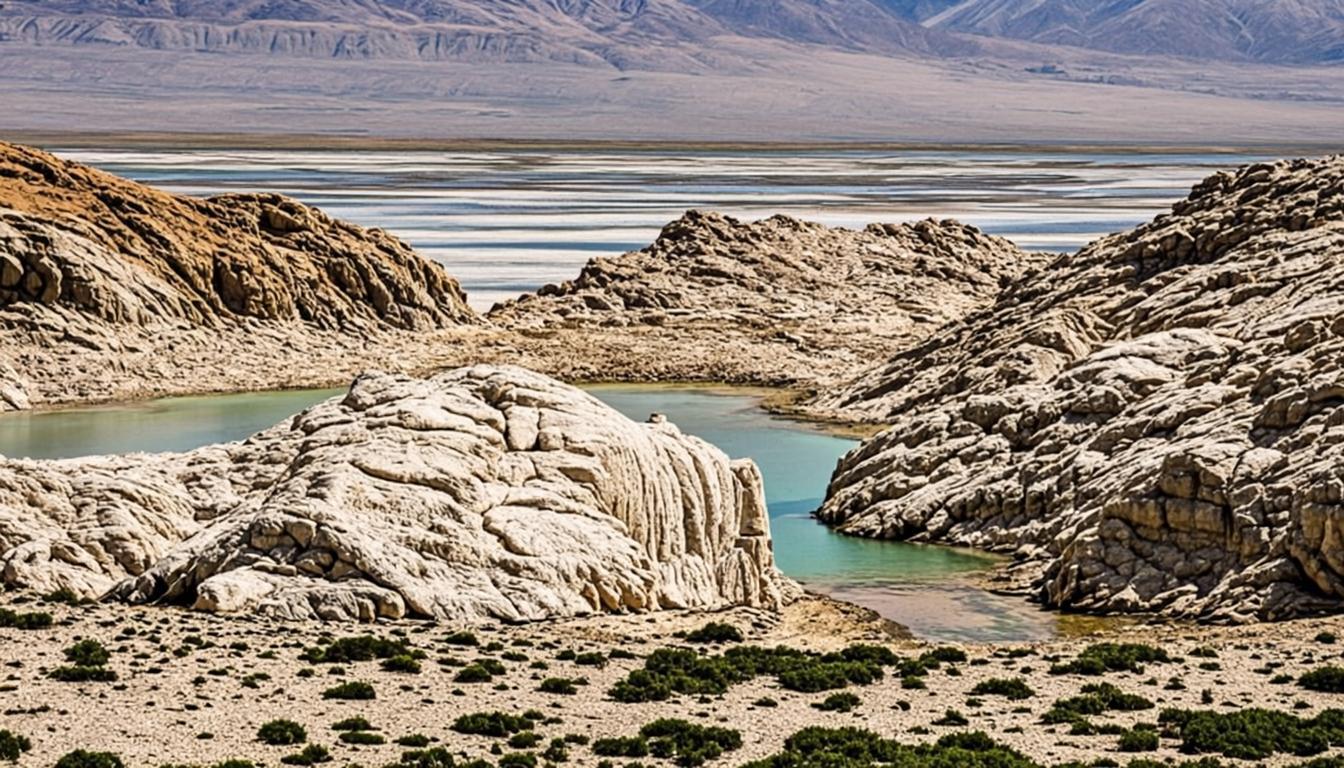
Same rule as always — sleep low (2,450 m every night), climb progressively — but with room for the big lagoons once your body has had three nights to adjust. The Day 4 options are interchangeable: Piedras Rojas + Miscanti–Miñiques if you want the red-rock icons, Salar de Tara if you want fewer people and wilder country.
The order is fixed up to Day 4; Day 5 exists to absorb weather, fatigue and second chances.
Weather and moon adjustments
Two forces rewrite this itinerary every week: rain and moonlight. Neither should scare you — both are plannable. The storm pattern in the Bolivian winter is reliable: clear bright mornings, clouds building after 13:00, downpours late afternoon. The moon is even more predictable, and our moon-phase tool shows the exact window for any dates.
Jan–Feb storms: do high places (Tara, Piedras Rojas, Tatio) in the morning and keep the buffer day genuinely empty until the night before.
If a road closes, swap vertically: Tatio and Tara trade well with each other because both are early-morning high trips.
Full-moon week: the Milky Way loses to moonlight, but moonlit-valley photography is its own genre — shift stargazing expectations rather than canceling.
September winds: afternoons gust hard on the exposed high plains; keep lagoon mornings, not afternoons.
Book the classics for early in the stay and keep one flexible day — the desert rewards travelers who can move things around.
What fills days 6 and 7 (if you have them)
Two more days unlock the experiences people fly here for twice. The headline option is the Uyuni crossing: a three-to-four-day 4x4 expedition from San Pedro across the border onto the Bolivian salt flats — a completely different trip, covered honestly in our Uyuni from San Pedro guide and compared side-by-side in Atacama vs Uyuni. It needs pre-booking, border documents and a hard look at your altitude history.
If you would rather stay in Chile, the calm list is long: hot air ballooning at dawn over the cordillera, a half-day horseback ride through the quebradas, mountain biking Garganta del Diablo, or the slow version — café mornings, a Puritama soak without a tour van, and the free tools here to plan it all.
What five days actually costs
Five days scales almost linearly from three: one more major tour, two more nights, one more day of food. The high-lagoon day trips are the priciest singles in the catalog — small-group Tara tours run around US$ 90–160 — but they are also the experiences day-trippers regret missing most. Mid-range double lodging assumed; hostels cut roughly a third off the lodging line.
Plan on US$ 650 shoestring to US$ 1,250 comfort per person for five days, flights excluded — then model it exactly in the budget tool.
The booking order: what sells out first
With five days you have slack, but four things still punish late bookers — especially in December–February and July. Book in this order the moment your dates are fixed; everything else can wait until you are in town comparing agencies (and prices can vary 40% between them, so our price table is worth a look first).
1. El Tatio sunrise — small-group boats sell out days ahead in season.
2. Stargazing in new-moon weeks — 3–5 days ahead, tighter around Chilean holidays.
3. Salar de Tara — few operators, tiny groups, limited daily departures.
4. Hot air balloon — ~20 seats a day, one weather cancellation can end it.
5. Valle de la Luna sunset — safe to book on arrival outside peak dates.
Frequently asked questions
Sources & verification
Every fact in this guide was checked against Chilean institutions and reference services. We list the sources so you can verify the basics yourself — and because we do not accept sponsored claims from tour operators.
- CONAF — park fees and sector rules across the five-day route (salt flats, lagoons, Tatio area)
- Minsal — acclimatization and altitude-health guidance for the 4,300 m days
- MeteoChile — seasonal weather patterns behind the built-in weather-buffer logic
- Chile.travel — official destination portal for Atacama trip planning
External links open in a new tab and lead to official Spanish-language pages. Park rules and fees can change seasonally — double-check before you travel.