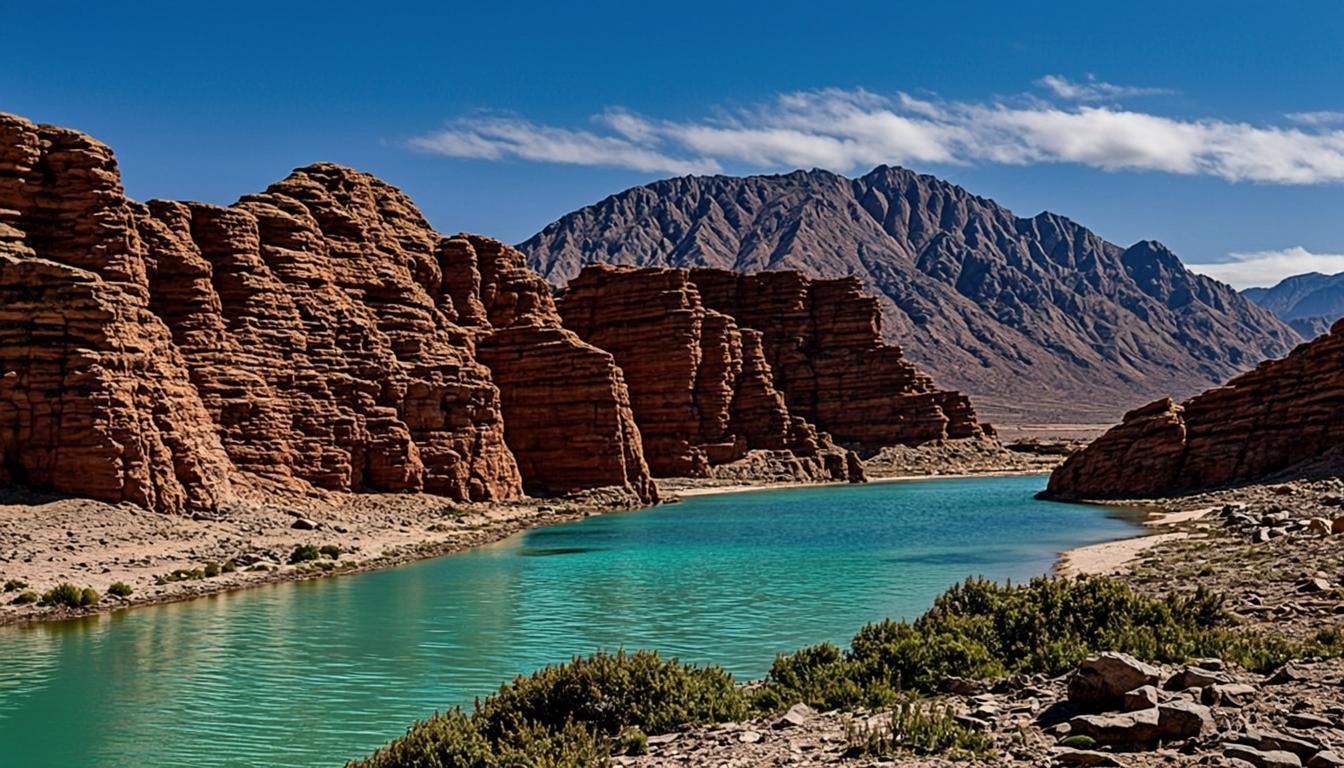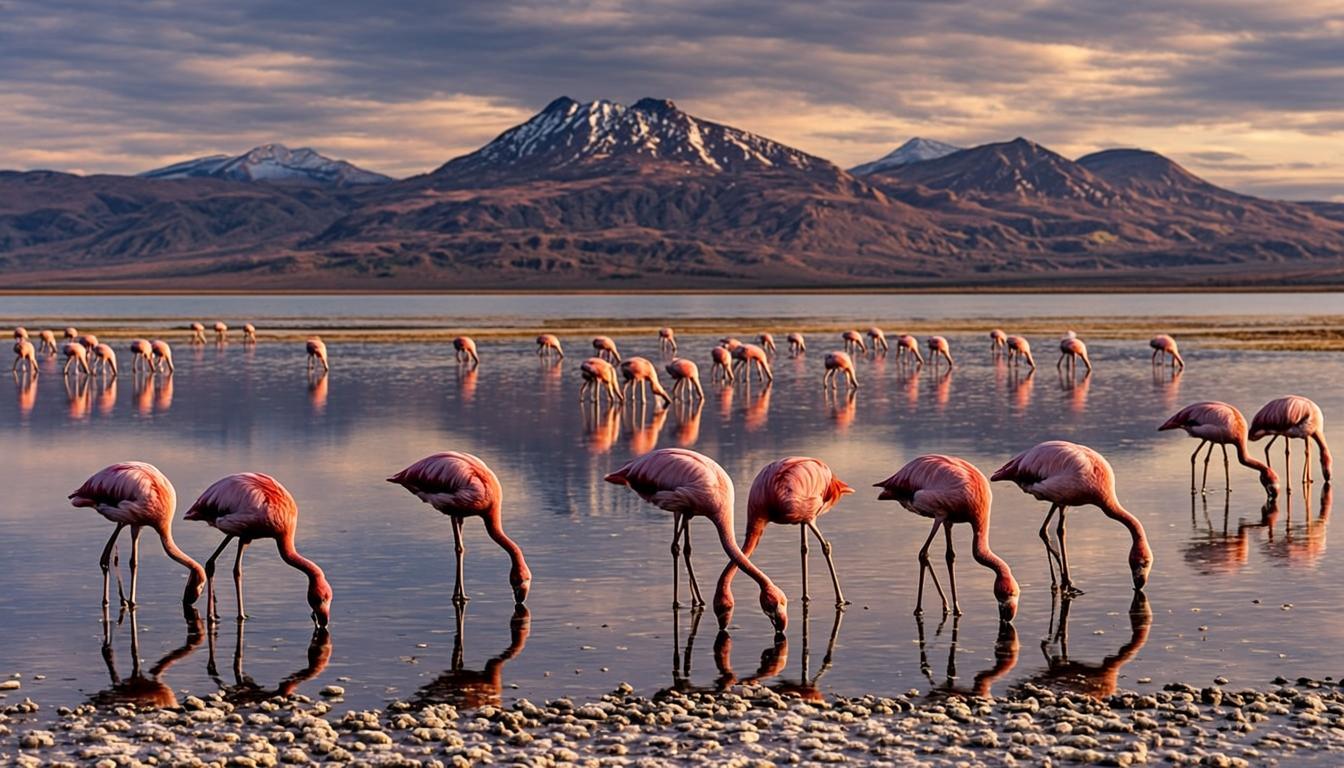
San Pedro de Atacama is a year-round destination with one big asterisk: the Bolivian winter. This guide breaks down every month by temperature, rain, crowds and what each season does best, so you can match your dates to what you actually came for — the Milky Way, the geysers or empty viewpoints.
The 30-second answer: which season is which
Atacama is the driest non-polar desert on Earth, so most months are technically fine. What separates a good trip from a great one is rain (January to February), night temperatures (June to August) and crowds (December to February plus July). Autumn and spring — roughly March to May and September to November — deliver the best balance: dry skies, mild nights and shoulder-season prices on San Pedro tours.
Each season also has a specialty. Summer is warmest but storm-prone; autumn is the stargazer's quiet sweet spot; winter has the coldest, clearest skies and the harshest 4am starts for El Tatio; spring adds longer days and warming nights. There is no bad month for landscapes — only bad months for your specific plans.
Summer (Dec–Feb): warmest days at 25–27°C, but Bolivian-winter storms can close the salt valleys and high roads. Book flexible rates.
Autumn (Mar–May): our pick — dry, clear, quiet, and the Milky Way core rising late at night.
Winter (Jun–Aug): the year's best skies; nights drop to 0°C and below. July is peak season for Southern Cone holidays.
Spring (Sep–Nov): warm days return, September winds ease, prices stay shoulder-level into October.
If your dates are flexible, target late March to May or September to October: everything works, and nothing is at its most crowded or most expensive.
Month by month: the numbers that matter
Temperatures below are for San Pedro town at 2,450 m. Daytime highs stay warm all year; the variable is night, which swings more than 20 degrees between January and July. Rain figures are monthly averages — in the desert, a wet month can mean three violent afternoons or nothing at all. Treat the table as a planning baseline, not a forecast.
Two caveats: night temperatures apply to town — at 4,300 m near El Tatio or Piedras Rojas, subtract another 8–12°C at dawn.
Crowds refers to tour vans and hotel occupancy, not physical space: even in February you find silence in the salt mountains by walking fifteen minutes past the parking lot.
The Bolivian winter: why January and February are the gamble
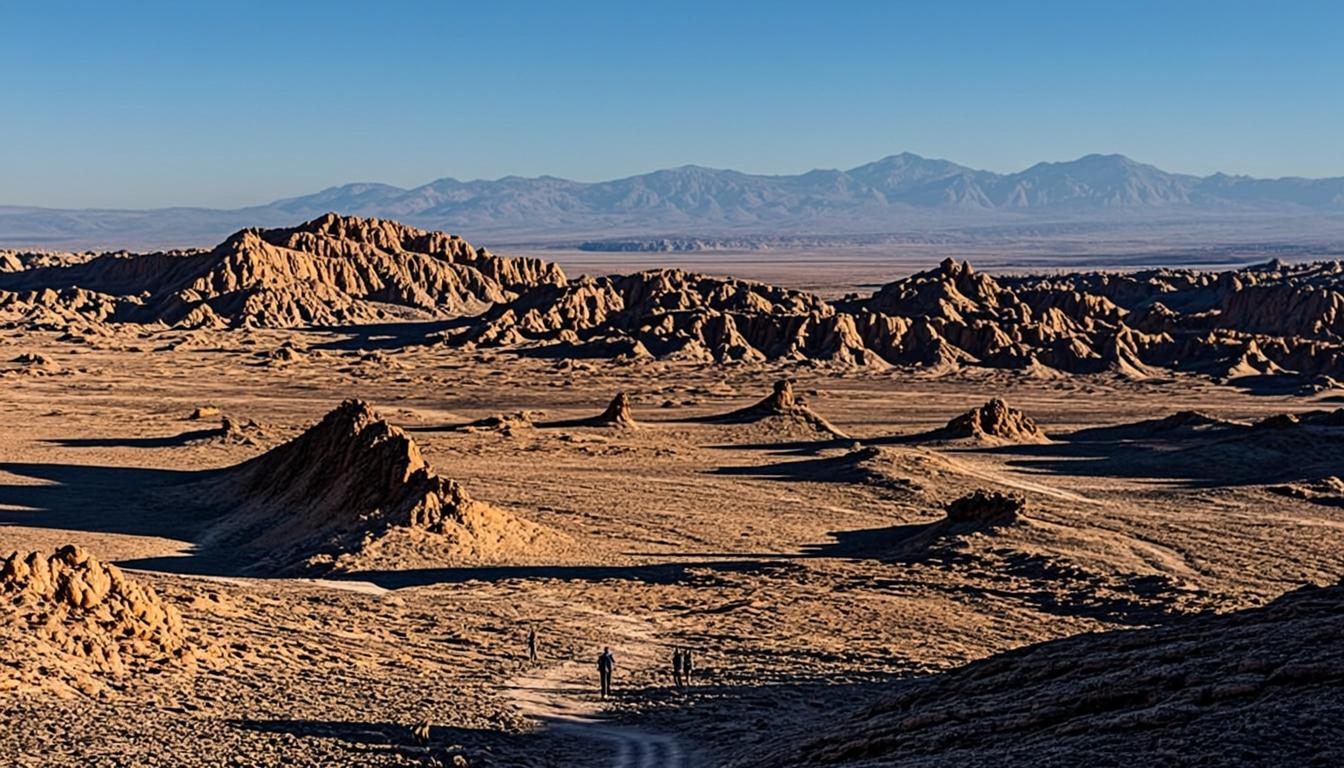
From roughly mid-January to early March, the South American summer monsoon pushes moist Amazonian air over the Andes — the invierno boliviano. It rarely rains all day; the pattern is cloud build-up after midday and short, violent downpours around 3–5pm. The problem for visitors is not the rain itself but what it does to salt: Valle de la Luna's salt crusts become slick and the reserve closes entire sectors, sometimes for days, until they dry out again.
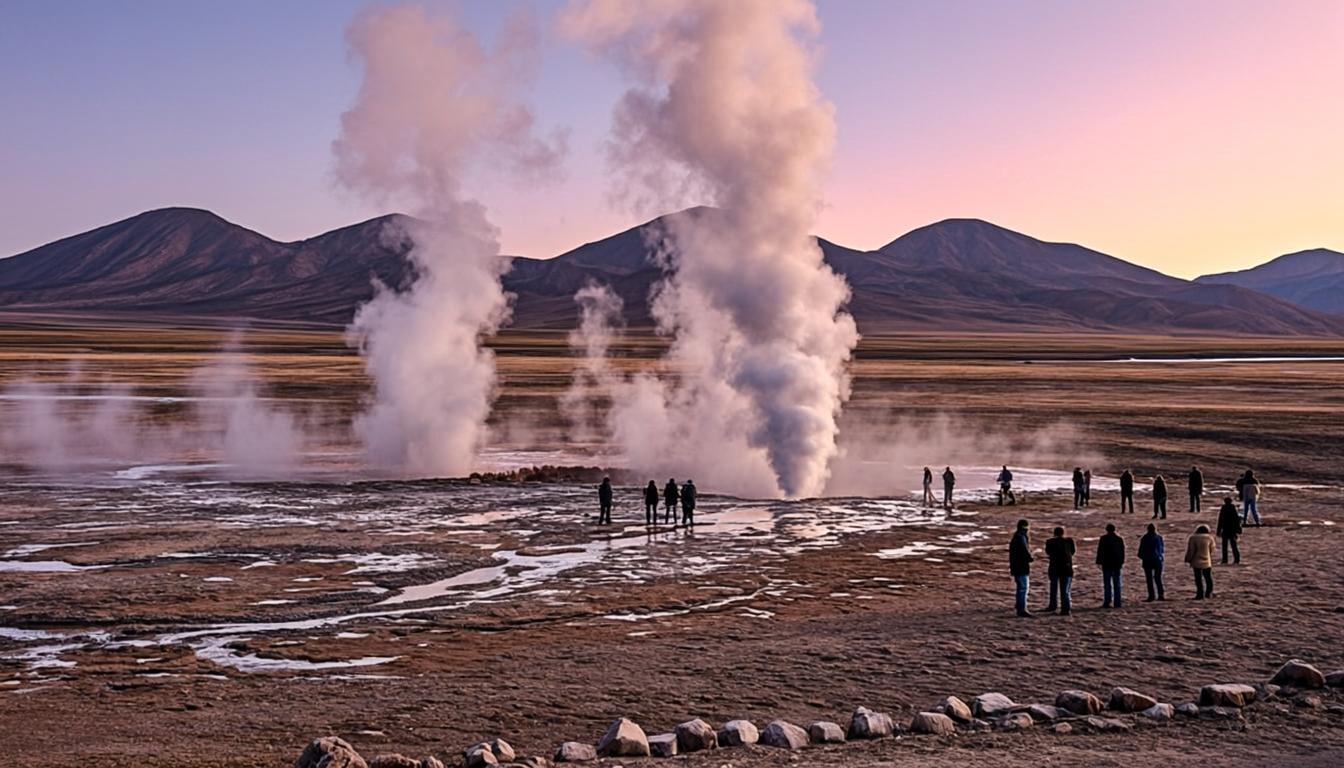
The high roads suffer more. Flash floods regularly cut the route to El Tatio and the altiplanic lagoons, and Lagunas Altiplánicas itineraries get rerouted on short notice. January and February travelers should book tours with flexible rebooking, keep afternoons free for storm risk, and treat sunrise itineraries as morning-only. The compensation is real: skies after rain are crystalline, the desert briefly turns green, and lodging prices dip by late February.
Traveling in the Bolivian winter? Schedule salt-valley and high-altitude tours for your first available morning and keep one spare day — storms close roads for hours or days, not weeks.
Rainy season deep dive: what actually closes in January–February
Storms do not close San Pedro; they close specific doors, and rarely the ones people expect. The pattern repeats every Bolivian winter: a cell builds over the Andes after midday, drops 10–30 mm in an hour, and reserve administrators decide by the next morning what reopens. Town life, town-level sights and morning tours continue — it is the afternoon salt-valley slots and the high roads that take the hit. Here is the attraction-by-attraction reality from recent seasons:
It is an afternoon pattern, not all-day rain: cloud builds after midday, downpours land roughly 3–5pm, and most mornings are clear — which is why sunrise tours still run almost daily.
Closures are measured in days, not weeks: the driest place on Earth dries fast, and a sector shut on Tuesday is usually walkable again by Thursday.
In January–February, book everything refundable and front-load salt-valley visits: the desert closes in patches, and the patches reopen quickly.
Milky Way season and the new-moon rule
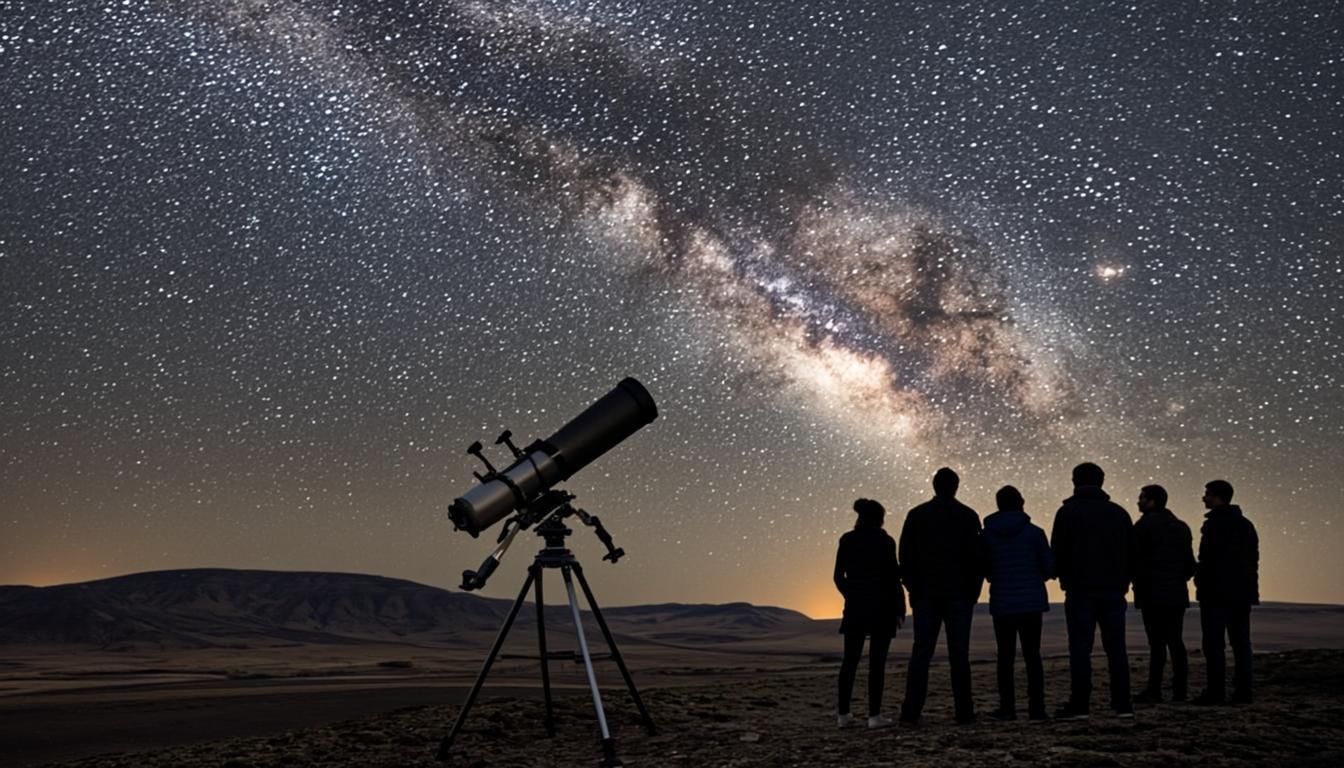
The Atacama sky is excellent all year, but the Milky Way's bright core — the photogenic center everyone wants — sits over the desert only from April to early October, arcing highest around midnight in May, June and July. Combine that with the new moon and you get the darkest skies of the year. Full-moon weeks are beautiful for landscape photography but wash out the faint detail; serious stargazing tours sell out new-moon dates months ahead.
Plan backwards from the moon, not from the calendar: pick a new-moon window first, then fit your trip dates around it. A practical pattern is to schedule the stargazing tour on your first or second clear night, because a cloudy or stormy night costs you a full lunar cycle if you are only staying three days.
Festivals and local dates worth planning around
Atacama's festival calendar is modest but real. Processions close streets, hotel rates jump a few weekends a year, and one or two dates are genuinely worth choosing rather than avoiding. The ones that matter:
Fiesta de San Pedro y San Pablo (June 29): the patron-saint procession with dancers and brass bands through town.
Andean New Year (June 21): sunrise ceremonies at archaeoastronomical sites around the salar.
Fiesta de la Chakana (early May): celebrations of the Andean cross — small, local, atmospheric.
Carnival (February or March, date varies): water fights in the streets; loud, fun, and hard on electronics.
Fiestas Patrias (September 18–19): Chilean independence days — domestic travel spikes nationwide.
Christmas and New Year (late December): peak prices and occupancy; book two to three months out.
None of these dates are reasons to stay home — they are reasons to book beds earlier and to expect a town that sounds different after dark.
Festivals worth planning around: the four dates that change your trip
Beyond the processions listed above, four dates genuinely move crowds, prices or what the town feels like — and three of them are reasons to go, not to avoid:
Carnival (February or early March, dates shift with Lent): street water fights and foam in San Pedro for several days, while the big Carnaval Andino parades with diablada and caporales troupes happen up in Arica. Attractions stay open; phones and laptops need ziplock protection.
Alasitas (late January into February): the Aymara festival of miniatures, when stalls around the plaza sell tiny houses, banknotes and diplomas for Ekeko, the god of abundance — a local tradition you witness, not a show staged for tourists.
Aymara New Year / Wila Mara (June 21): sunrise ceremonies at the archaeoastronomical sites around the salar mark the Andean return of the sun, and the date is now a national holiday in Chile. The coldest week of the year, and the most memorable morning.
Fiestas Patrias (September 18–19): Chile's independence days — cueca dancing, fondas and pisco sours. Domestic travel spikes nationwide, so book San Pedro beds at least three weeks out.
The planning math: June 21 and September 18 raise demand for a few days each, carnival brings water-fight chaos for a week, and late February — after carnival passes — drops lodging prices toward their annual low. None of these close the desert; they change the town, which is why frequent visitors time trips around them on purpose.
Verdict: the best month, honestly
If we were booking one week tomorrow: late April or early October. Days are warm without being hot, nights are cold but survivable, rain risk is near zero, the Milky Way core is visible, and every road and attraction is open. May and September trade a little comfort for even fewer people. July is the connoisseur's choice for skies; February is the adventurer's gamble.
Whatever you choose, remember that week-to-week variance beats month-to-month averages: check the moon phase, check road conditions after any storm, and keep one flexible morning. Then let the trip planner stack your days in altitude-safe order so the season you picked is the one you actually experience.
Frequently asked questions
Sources & verification
Every fact in this guide was checked against Chilean institutions and reference services. We list the sources so you can verify the basics yourself — and because we do not accept sponsored claims from tour operators.
- MeteoChile — official climate and rainfall records for the Atacama, including the January-February storm season
- timeanddate — month-by-month temperature and precipitation averages for San Pedro de Atacama
- MoonCalc — moon phase calendar used to place the new-moon stargazing windows by month
- SERNATUR — official regional tourism information on seasons, access and road conditions
External links open in a new tab and lead to official Spanish-language pages. Park rules and fees can change seasonally — double-check before you travel.