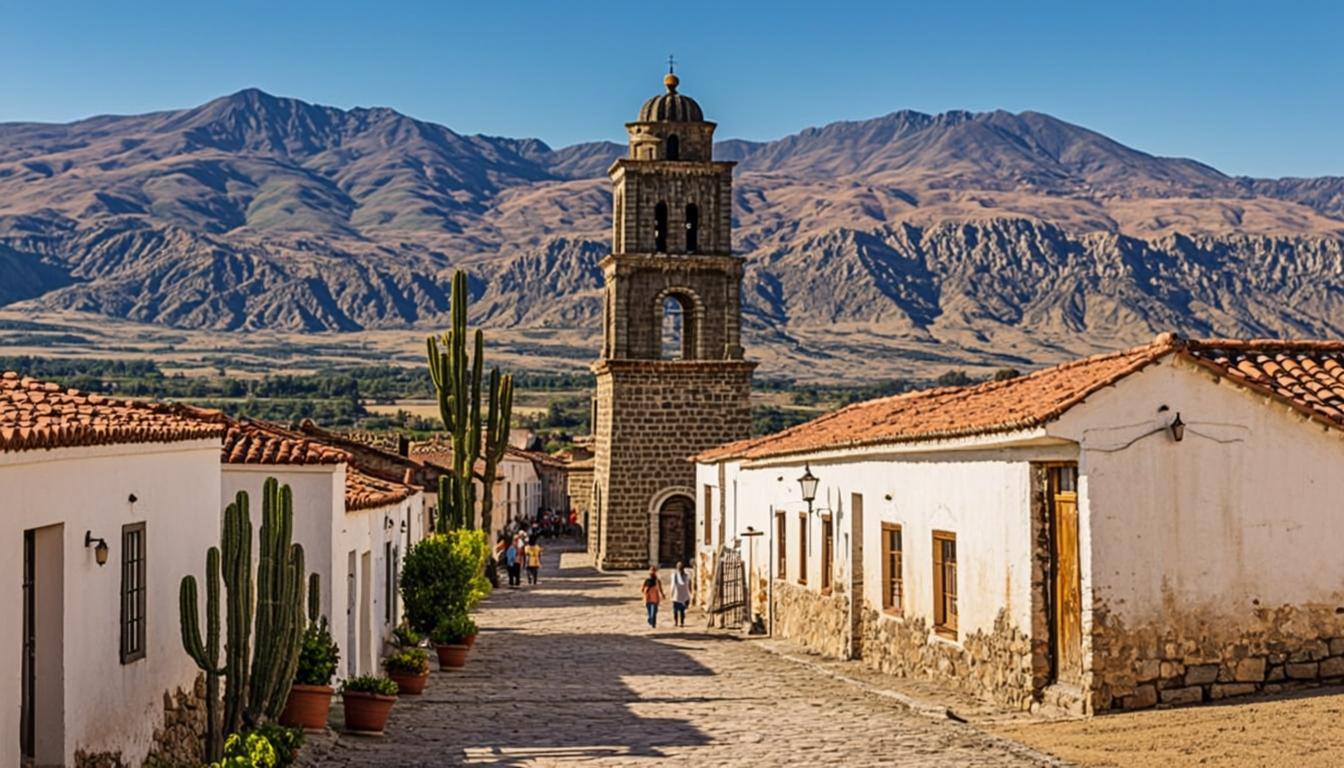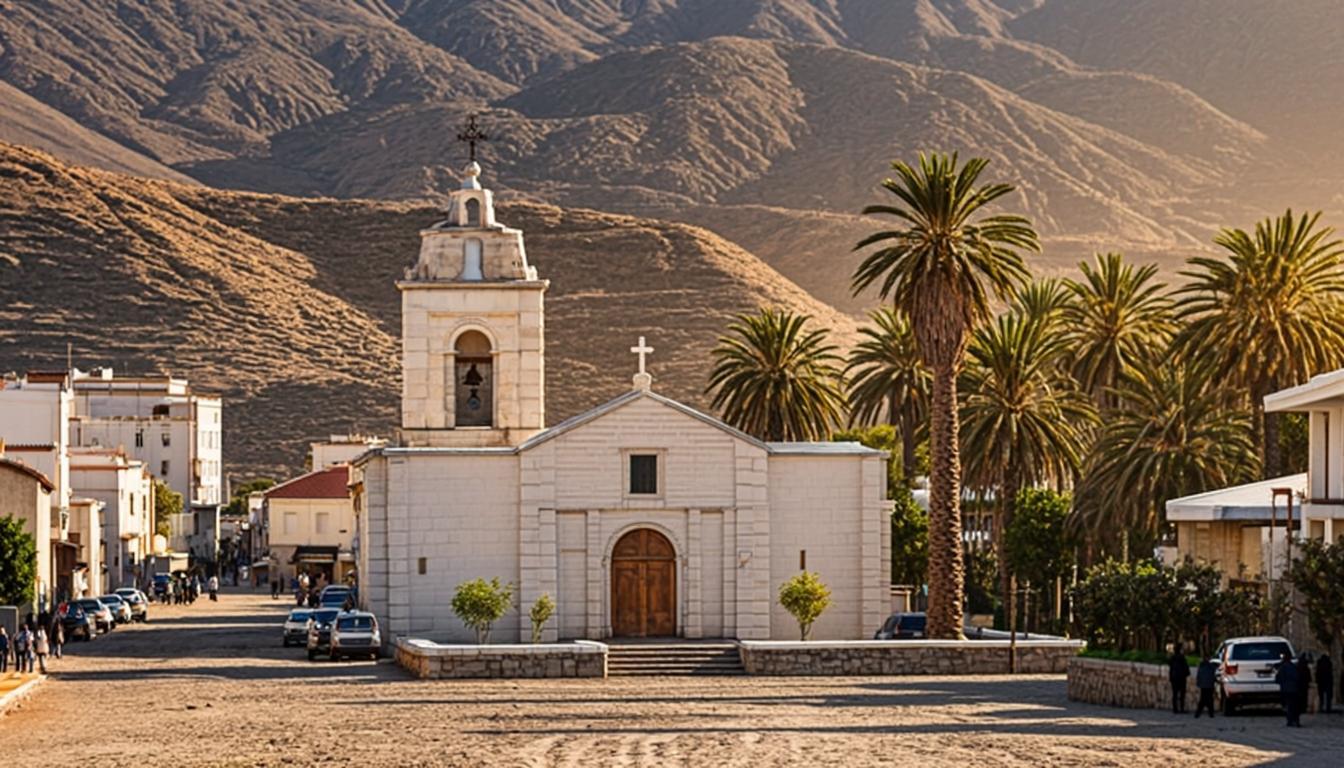
San Pedro de Atacama breaks the Chilean habit of everywhere-taking-cards: this is a town of card terminals with no signal at the gates, ATMs that tax you US$8 a pull, and a market that has never heard of contactless. None of it is difficult — it just punishes travelers who arrive without a plan. This guide is the plan: where cards work, where they do not, what cash actually costs, and how much of it to carry each day.
Cards work here — until the signal does not
The honest picture: San Pedro is more card-friendly than its dusty adobe front suggests. Hotels, tour agencies and most sit-down restaurants take Visa and Mastercard, and buying tours online before arrival is the cheapest, fee-safest way to lock the big days — see the verified price table for what each tour costs and the comparison view for who actually operates it.
But acceptance is not coverage. The artisan market is cash-only, park gates fail when mobile data does, tips and village eateries expect pesos, and Amex is unreliable outside the big lodges. Treat cards as the spine of the budget and cash as the skin — you need both, in that order.
Cards carry the big lines; cash covers the last 20% — gates, tips, markets — where terminals go to die.
ATMs: the US$8 tax and how to pay it once
San Pedro has around ten ATMs, nearly all within two blocks of the plaza: the BancoEstado cluster on Caracoles is the workhorse, and independent Global55 machines are the backup that works when BancoEstado does not — at a higher fixed fee. There are no bank branches; the nearest counters are in Calama, 95 km away.
Every machine charges a fixed fee of roughly US$7–10 per withdrawal and caps the amount around CLP 200,000–300,000. Small, frequent withdrawals are how travelers donate US$25 a week to the fee machine. The pattern that works: one large withdrawal on a weekday morning (cash refills land early), a second card on a different network in case your bank's fraud engine blocks Chile, and enough cash to cross a dry weekend.
Withdraw once, big, early — the ATM fee is fixed, so the fewer withdrawals, the smaller it gets.
Casas de cambio, dollars and the DCC trap
The exchange houses on Caracoles change US dollars, euros and Brazilian reais into pesos at rates a few percent worse than city banks — fair for a top-up, expensive as a habit. Crisp, undamaged bills get the good rates; folded or marked notes are politely rejected. Bring dollars only as an emergency reserve, and never convert leftover pesos back at the end of a trip — that loses twice.
The pricier trap is dynamic currency conversion: a card terminal offering to charge you in dollars or euros at a "guaranteed rate". That guarantee is a 3–8% markup stacked on top of your bank's own conversion. The one-second rule at every checkout in town: always choose CLP. For the deeper math, the budget guide shows what each withdrawal fee does to a weekly budget, and the budget calculator totals it for your actual dates.
Pay in CLP at the terminal, change small at the casa de cambio, and never convert twice.
How much cash per day: the honest table
Cash needs split by activity, not by budget level: a luxury-lodge guest still tips guides and buys market alpaca in pesos. Use the table as a planning envelope at the reference rate of US$1 ≈ CLP 975, and remember entry fees are per person and not included in tour prices — the full fee list lives in the price table.
Small notes rule: market vendors rarely break a CLP 20,000 bill in the afternoon crush — ask for change at your hotel.
Keep a separate CLP 50,000 weekend buffer in your room safe: ATMs run dry exactly when tour groups flood town.
Villages like Toconao and Machuca are entirely cash economies — card acceptance stops at the town limit.
CLP 30,000–60,000 per person per day covers everything cash has to cover — with a weekend buffer, never a crisis.
Blocked cards, dry machines and theft: the recovery plan
Failure modes, in order of frequency: your bank blocks a Chile charge (fix it in the app or call the number on the card); the ATM you chose is empty (walk two blocks — Global55 usually has bills); the terminal has no signal (pay cash, the town runs on it anyway). None of these are emergencies; all of them are easier with two cards from two networks.
Theft is rare but real — the terminal area and late bars are the risk zones. If it happens: cancel cards in your banking app, file a denuncia at the Comisaría on Calle Toqui within 24 hours (insurers require the report), and keep 133 saved offline. The packing checklist has the full anti-oops kit, including what to leave at the hotel.
Two cards, two networks, one offline number list — the whole recovery plan fits in a note on your phone.
The five-minute money setup on arrival day
Do this once, on the afternoon you arrive, and money stops being a topic for the rest of the trip:
Withdraw your first CLP 200,000–300,000 at BancoEstado while bills last.
Ask the ATM or your hotel for small notes — CLP 1,000, 2,000 and 5,000.
Decline your first DCC offer proudly; set the pattern for the week.
Screenshot tour vouchers and download offline maps before dinner.
Leave a CLP 50,000 buffer and a backup card in the room safe.
Plug your real dates into the budget calculator and stop guessing.
Fifteen minutes on day one buys a week without money logistics.
Frequently asked questions
Sources & verification
Every fact in this guide was checked against Chilean institutions and reference services. We list the sources so you can verify the basics yourself — and because we do not accept sponsored claims from tour operators.
- BancoEstado — the state bank behind the main ATM network in San Pedro de Atacama
- SERNATUR — official visitor information and registered tourist services
- Carabineros de Chile — police reports (denuncias) and national emergency line 133
- Municipality of San Pedro de Atacama — local services and tourist information
External links open in a new tab and lead to official Spanish-language pages. Park rules and fees can change seasonally — double-check before you travel.