Altitude is the one thing in Atacama that can genuinely wreck a trip, and almost every traveler underestimates it. The town is high but manageable; the day trips are not. Here is the protocol we give friends: how to structure your first 48 hours, which symptoms matter, and which tours to book for day three instead of day one.
The altitude math: where you will actually feel it
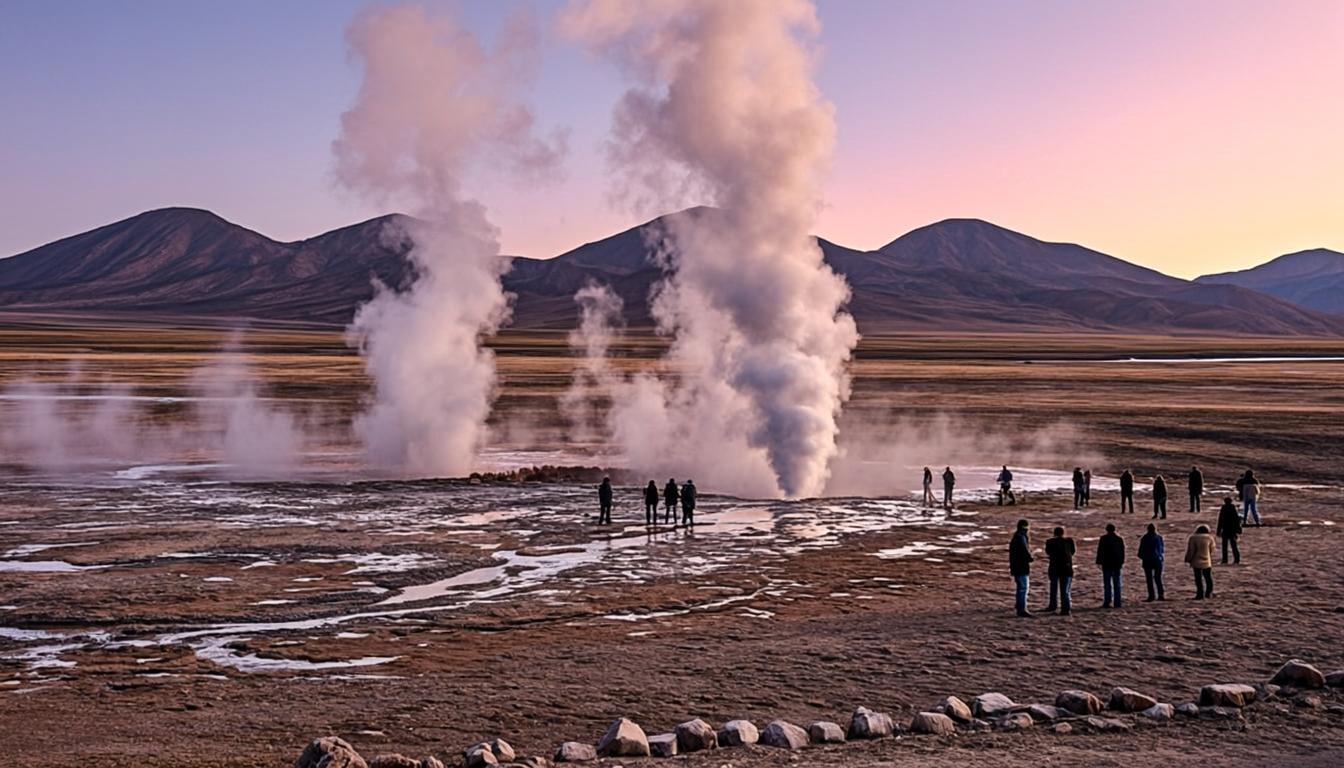
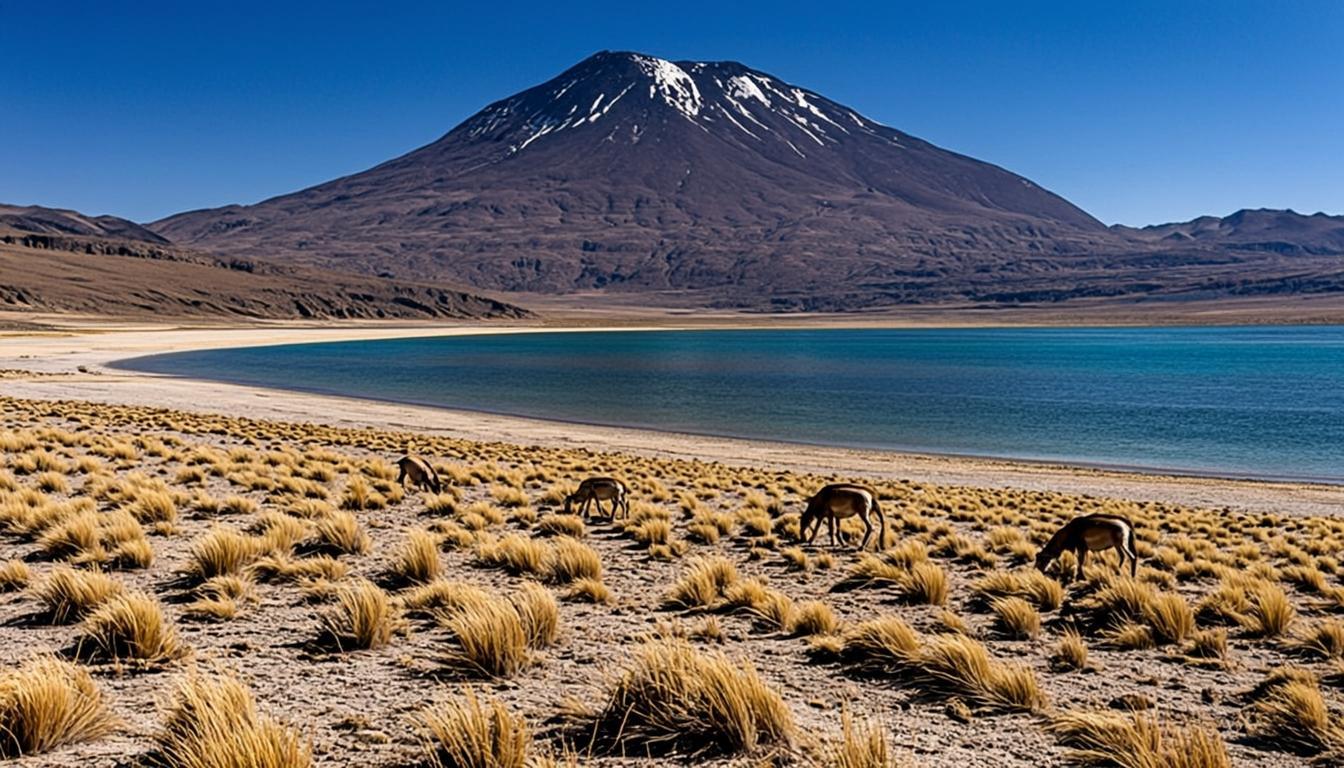
San Pedro sits at 2,450 m — high enough to cause mild symptoms (a headache, a restless first night) but rarely serious illness. The danger comes from the excursions: El Tatio at 4,320 m, Piedras Rojas at 4,145 m, the altiplanic lagoons at 4,300–4,500 m, and the Bolivian border zone at up to 5,000 m. Your body cannot adapt to that in hours; it adapts over days.
The working rule is sleep low, climb high: every night is spent back in San Pedro, so 4,000 m days are safe once you have acclimatized — but only then.
The 36–48 hour acclimatization protocol
You do not need to do nothing on arrival — you need to avoid strenuous, high-altitude effort while your body raises its breathing rate and blood chemistry. This is the schedule that works for most healthy travelers, and it is what we would book for our own family. The trip planner applies the same day-by-day logic automatically.
Day 0 (arrival): transfer in, walk the town slowly, eat a real dinner, no alcohol, three liters of water, sleep early.
Day 1 (easy): town sites — Pukará de Quitor, Aldea de Tulor, the plaza and artisan market. Nothing above 2,600 m.
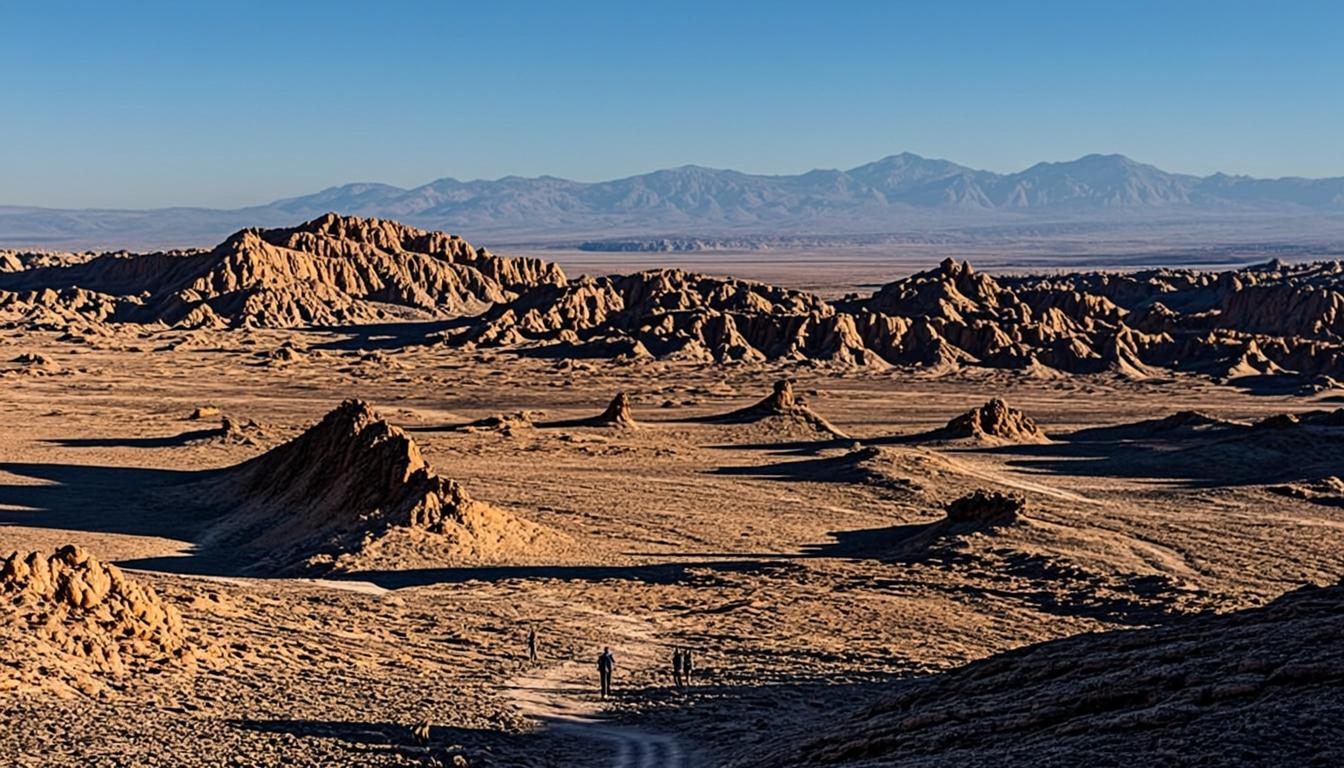
Day 2 (moderate): Valle de la Luna or Valle de la Muerte in the afternoon; pick the 3-hour version, not the full sunset combo, if you feel off.
Day 3 and beyond (high): now El Tatio, Piedras Rojas and the lagoons — in that order of confidence.
The protocol is boring on purpose: 36–48 hours of low-effort, low-altitude time before your first 4,000 m day prevents nearly every ruined itinerary.
Your first 48 hours: a timeline that works
At clock resolution, this is what the protocol looks like — built around the reality that Santiago flights cluster around midday, so you arrive in daylight with an afternoon to spend slowly:
11:30 — land at Calama (2,260 m, slightly lower than San Pedro); meet the shuttle, drink water.
12:30–13:45 — the 100 km transfer to San Pedro (2,450 m). Eat at the airport before leaving; altitude appetite fades later.
14:00–15:00 — check in, drop bags, walk nowhere fast.
15:00–18:00 — town mode: the plaza, the church, the artisan market, the meteorite museum. Nothing that holds your heart rate up.
Evening — book tomorrow as another easy day; three liters of water done by dinner; zero alcohol (it hits measurably harder at 2,450 m); eat a real dinner.
21:30 — lights out. Vivid dreams and one or two wake-ups are the normal night-one experience, not a warning.
Day 2 morning — easy sites under 2,600 m: Pukará de Quitor, Aldea de Tulor, the Sequitor lanes.
Day 2 afternoon — Valle de la Luna or Valle de la Muerte if you feel completely normal; a seated stargazing tour at night demands no exertion and is fine.
Day 3 — first high trip: El Tatio (4,320 m) or Piedras Rojas (4,145 m). A headache ibuprofen fixes is normal; anything worse turns the van around.
Two nights in town, nothing above 2,700 m, then climb — the ready-made 3-day plan follows exactly this sequence.
Symptoms: mild AMS vs the real thing
Acute mountain sickness (AMS) is common and manageable; severe altitude illness is rare and an emergency. The table below is the line between them. What matters most is trajectory: symptoms that fade with rest, water and food are normal; symptoms that worsen over hours are not — and night two is when most people notice.
Severe symptoms suggest HAPE (fluid in the lungs) or HACE (brain swelling). Neither improves by pushing through.
The only real treatment is descent: San Pedro is already the evacuation point for the high sites, and the next step down is Calama at 2,260 m.
Tours to avoid before day three
Booking platforms happily sell you an El Tatio tour for your first morning — that is a 4,320 m sunrise after one night at altitude, and it is the single most common way travelers end up vomiting at a geothermal field at −8°C. Before day three, skip El Tatio, Piedras Rojas, the altiplanic lagoons, Salar de Tara and any Bolivia crossing.
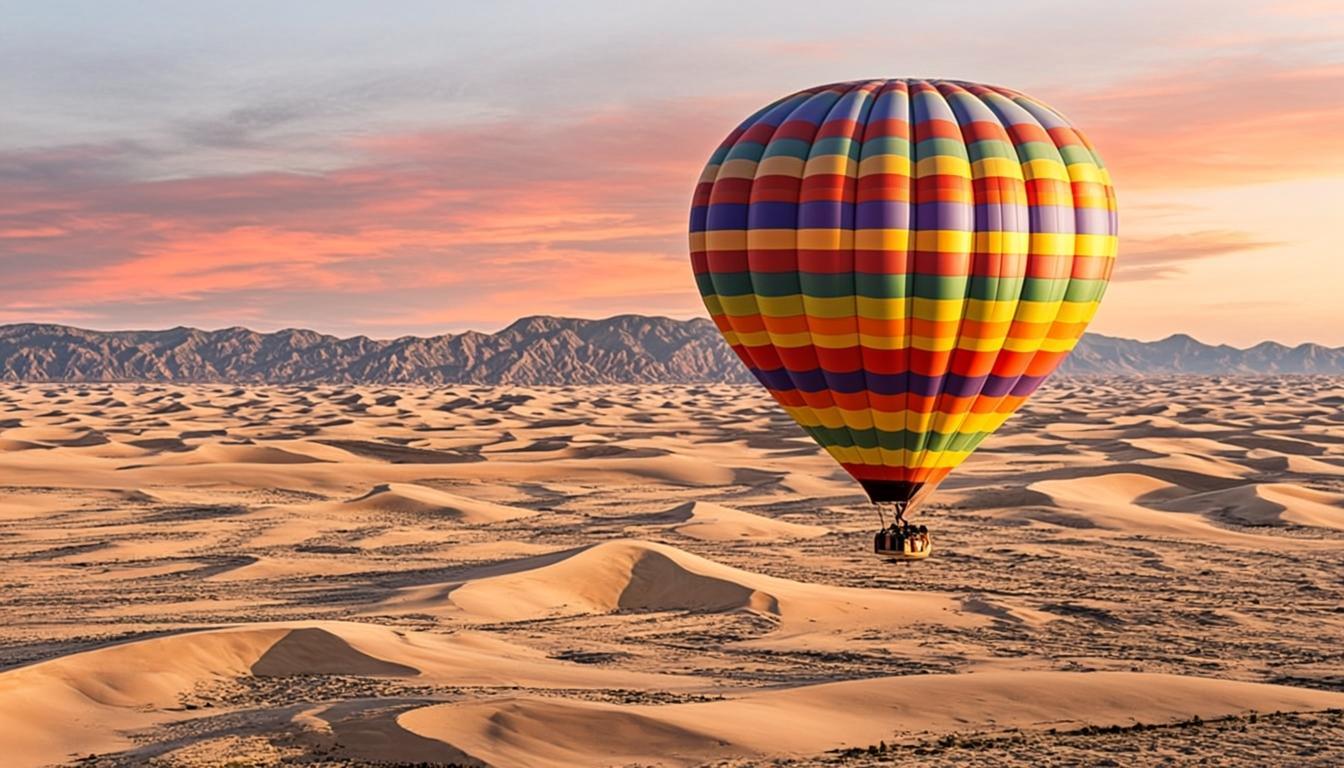
What works early instead: balloon flights top out under 3,000 m and are fine from day two; stargazing tours are seated and low-effort, so they make a great night-one plan. If you flew in from La Paz, Cusco or Quito rather than sea-level Santiago, you arrive pre-acclimatized and can compress this schedule — but keep one easy day anyway.
Coca tea, soroche pills and honest evidence
Coca tea (mate de coca) is on every hotel breakfast table and it is legal throughout Chile. Honest verdict: it is a mild stimulant that feels comforting but there is no solid evidence it prevents AMS — treat it as ritual, not medicine. The same applies to the oxygen cans sold in shops. What actually works: gradual ascent, hydration, easy first days, ibuprofen for headaches and — for people with a history of altitude illness — prescription acetazolamide (Diamox) started the day before ascent.
One practical warning: coca tea can trigger false positives on cocaine urine tests for up to about 48 hours. Irrelevant for tourism; relevant if you fly onward to a workplace screening or a visa medical. The local word for altitude sickness, soroche, is worth knowing — guides use it constantly and take it seriously.
Coca, chlorophyll, hydration: what actually has evidence
San Pedro's remedies are part Andean tradition, part tourist economy, and the front desk will recommend all of them with equal confidence. The honest scorecard, strongest evidence first:
One line matters more than the whole table: descent is the only real cure once genuine altitude illness sets in. San Pedro at 2,450 m is already the treatment for every site around it, and Calama at 2,260 m is the next step down. Everything else on this list buys comfort, time or peace of mind — useful, but not medicine.
Drink more than feels natural, climb slower than feels natural, and treat everything green or leafy as tradition rather than pharmacology.
When to see a doctor — and how descent works
San Pedro has a small public medical post and several private clinics; serious cases go to Calama hospital, 100 km away. See a doctor if a headache persists past 24 hours despite ibuprofen and water, if you vomit repeatedly, or if any severe symptom from the table above appears. Standard travel insurance covers this — carry your card and confirm your policy covers altitude above 4,500 m before the Bolivia leg.
Practicalities: private consultations run US$40–80 and clinics can administer oxygen, which is genuine treatment at altitude. If you feel unwell mid-tour, tell the guide immediately — rerouting or turning back is routine for them. Rescue from the high sites means a van ride, not a helicopter, so early honesty is cheap and late honesty is expensive.
The descent rule beats every pill: if symptoms worsen at rest, go down. From 4,300 m back to San Pedro is already treatment.
Frequently asked questions
Sources & verification
Every fact in this guide was checked against Chilean institutions and reference services. We list the sources so you can verify the basics yourself — and because we do not accept sponsored claims from tour operators.
- Minsal — official health guidance on altitude illness (soroche): prevention, symptoms and when to seek care
- Gobierno de Chile — official government travel-health information for visitors to high-altitude regions
- Carabineros — police emergency response (133) and rescues on remote high-altitude roads
- CONAF — visitor safety rules and altitude notices for the high sectors of Reserva Nacional Los Flamencos
External links open in a new tab and lead to official Spanish-language pages. Park rules and fees can change seasonally — double-check before you travel.