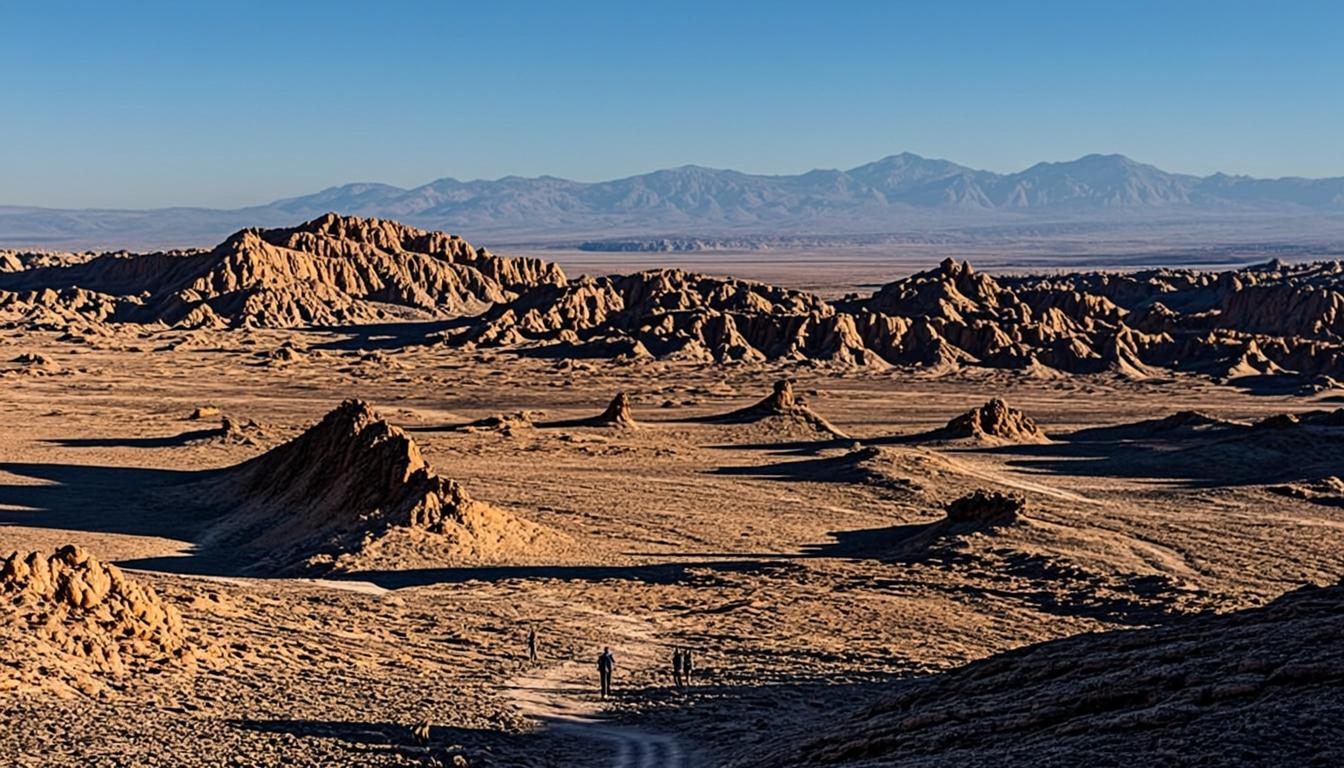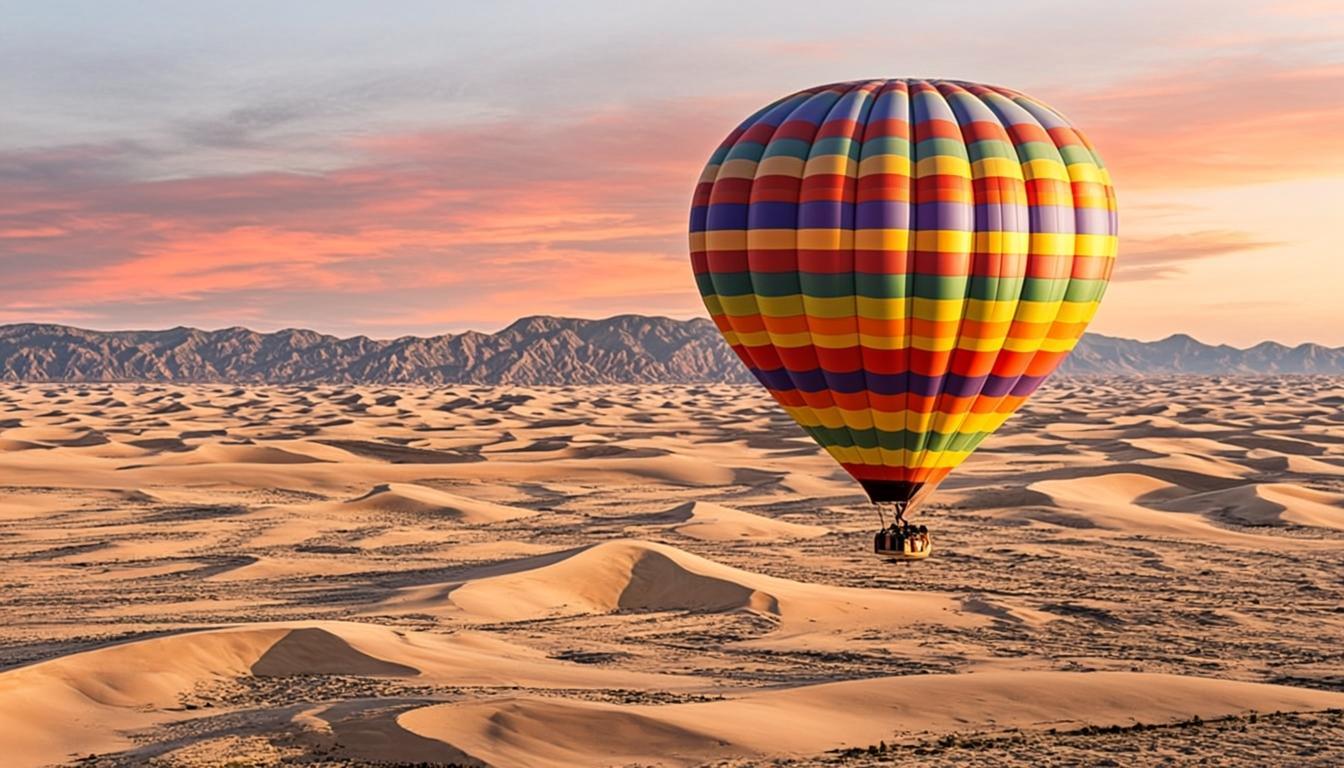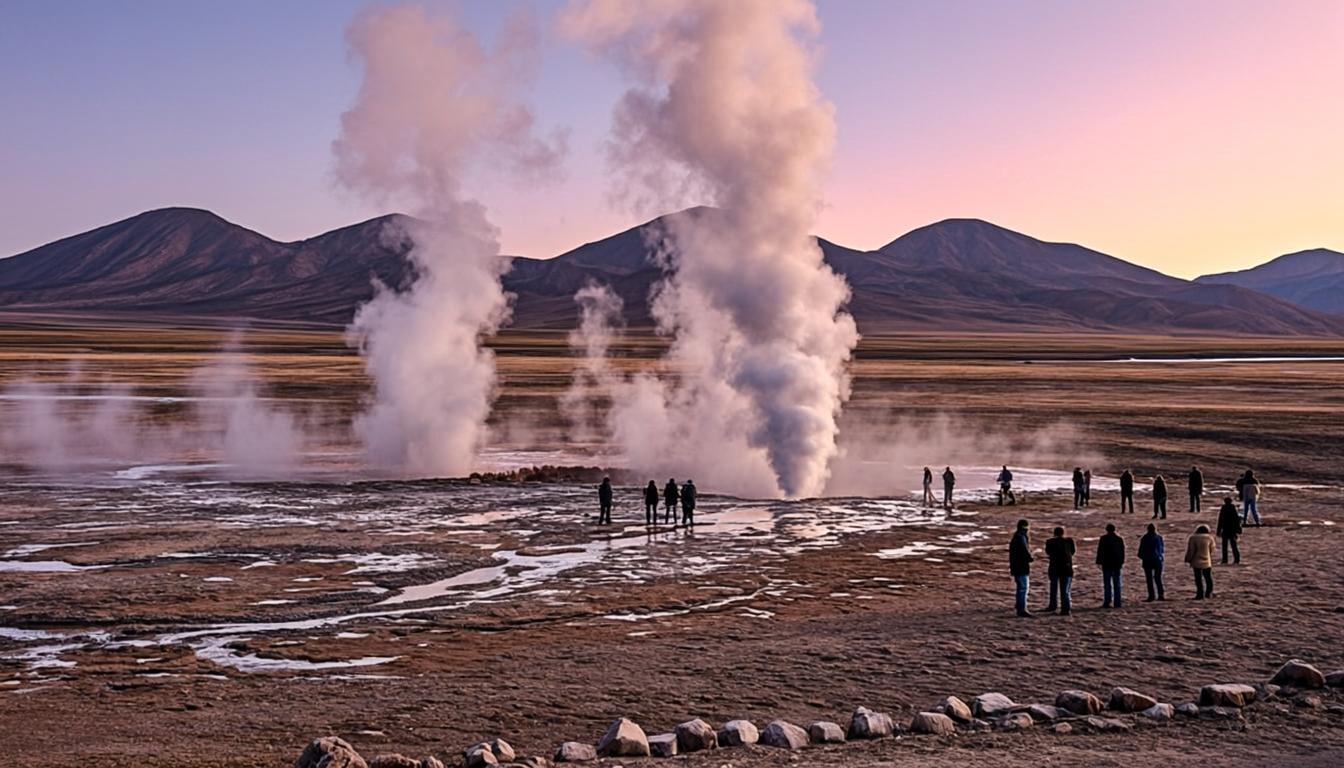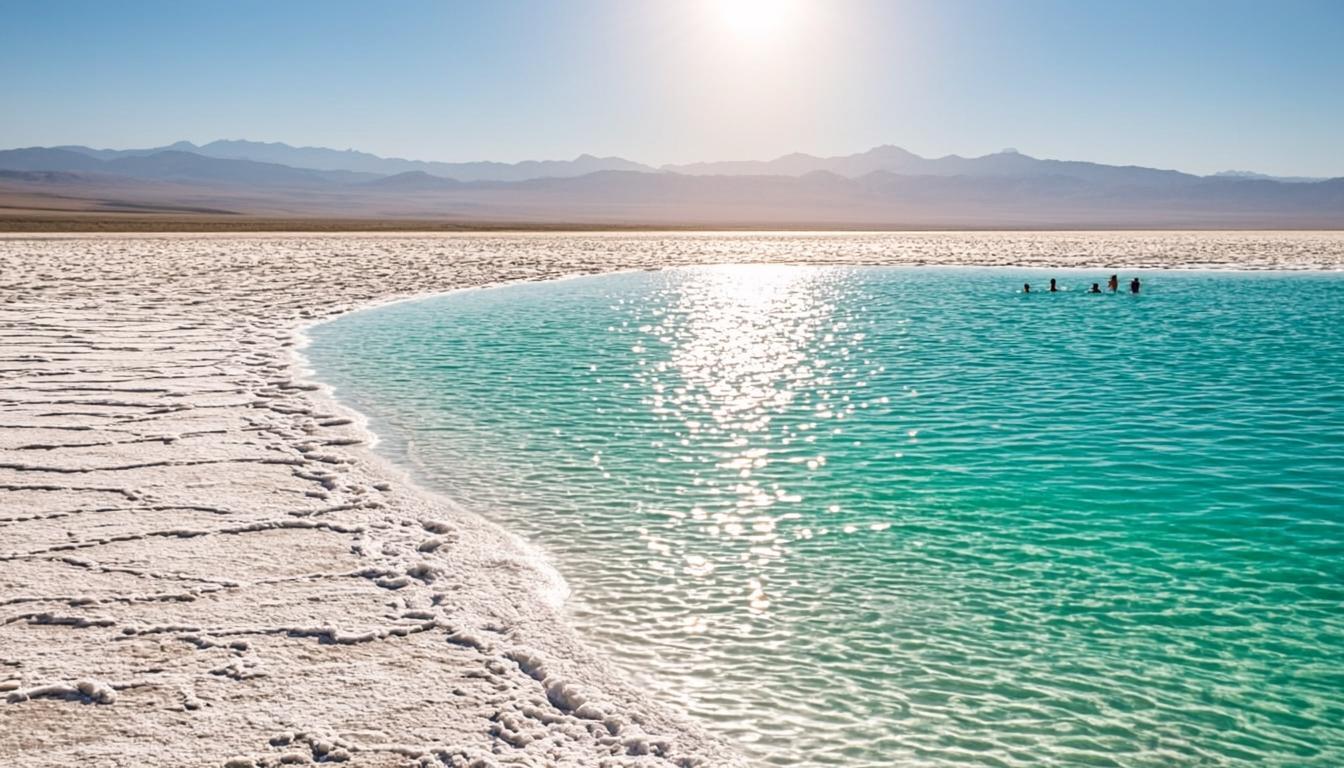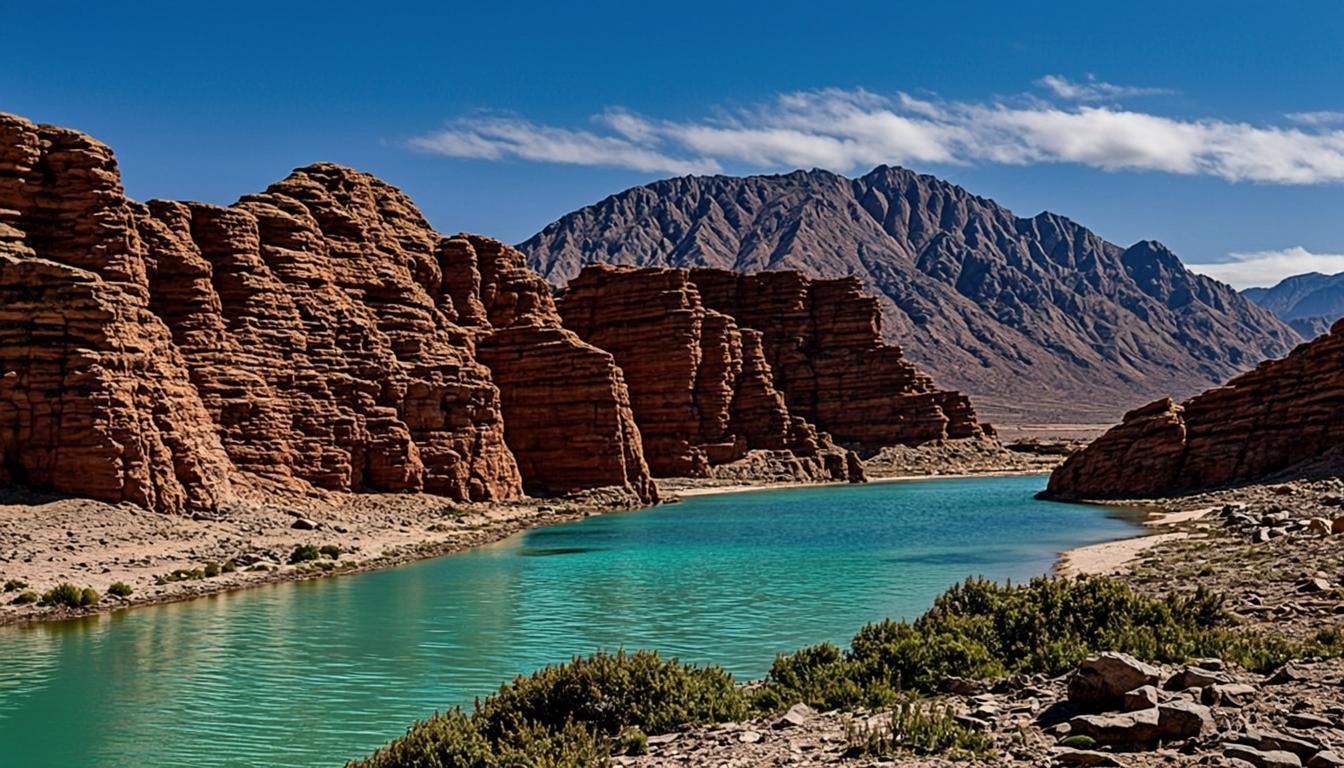
Three nights is what most travelers give San Pedro de Atacama — and it works, but only if the order is right. This itinerary is built around the one rule that shapes everything here: altitude goes up, never down on day one. Follow it and you will see the classic triangle — Valle de la Luna, El Tatio and the salt flats — without spending your first day nauseous at 4,300 meters.
Who is three days enough for?
Three full days covers the essentials at a pace most people enjoy: one sunset in the valleys, one dawn among the geysers, one salt-flat or lagoon morning, and one night of the best stargazing on the planet. It suits first-timers stitching Atacama into a longer Chile trip — Santiago plus the desert — and travelers passing through on the way to or from Bolivia.
It does not suit everyone. Photographers chasing perfect light at multiple sites, slow travelers, and anyone adding the Uyuni crossing (which eats three to four days on its own — see our Atacama vs Uyuni comparison) should look at five days or more. And if your flights swallow the first afternoon, you effectively have two days — a different, tighter trip; our how many days guide covers that cut-down version.
Three days is the honest minimum for the classics — but only with the right day order and tours booked ahead for the 4:30 am starts.
The day-by-day plan
The logic is simple: sleep low, climb high. Every night you sleep back in San Pedro at 2,450 m, which is what makes this schedule safe for most healthy travelers. Do not swap Day 1 and Day 3 — starting with the geysers is the single most common altitude mistake we see.
Low → mid → high: the only safe sequence. Every operator sells every tour every day, so the order is 100% yours to control.
The altitude rule that shapes everything
San Pedro itself sits at 2,407–2,450 m, high enough to notice but rarely enough to flatten you. The problems start above 3,500 m, and the desert has three famous offenders: El Tatio at 4,320 m, the Miscanti–Miñiques lagoons at 4,120–4,350 m, and Salar de Tara at 4,300–4,850 m. Standard altitude guidance says to give your body 48–72 hours at moderate elevation before pushing higher.
That is why this itinerary parks Salar de Tara on the shelf: it is a magnificent day trip, but in three days it would have to be your day 3 morning — straight after a 4:30 am start — which stacks two hard days. Our altitude protocol guide covers symptoms, medication and the first-48-hours timeline in detail.
Day 1 ceiling: ~3,000 m. Quitor, Tulor, the town — all fine.
Day 2 ceiling: ~3,200 m. Cejar, Chaxa, the valleys — all fine.
Day 3 ceiling: 4,320 m at Tatio, but only for a few hours before dawn, then you descend.
Save Tara, Piedras Rojas and Uyuni for a 5-day trip or longer.
The itinerary is altitude-first, scenery-second — because a sick traveler sees nothing at all.
What to book in advance vs on arrival
San Pedro has dozens of agencies on every block, and low season makes walk-in booking genuinely easy. But three things reliably sell out or run tiny, quality-vetted boats: the Tatio sunrise, stargazing in new-moon weeks, and the small-group high-lagoon tours. Prices for the same tour can vary up to 40% between agencies on Calle Caracoles — our price table lists verified figures from the catalog we track.
What three days actually costs
Tour prices in San Pedro are transparent but wide: the same Tatio tour ranges from bare-bones US$ 55 to premium small-group US$ 75+. Using mid-range operators — the tier most first-timers want — here is a realistic per-person breakdown, in USD and CLP at ~975. Lodging assumes a good guesthouse double; hostels cut the total by a third.
Budget US$ 400 shoestring to US$ 700 comfort per person for three days, excluding flights — our budget calculator breaks down any trip length.
If you only have two days
Cut one of the salt-flat stops and protect the two anchor experiences: a valley sunset and, if you arrive even slightly acclimatized (for example after a week in La Paz or Uyuni), the Tatio sunrise. Stargazing becomes your evening filler on either night because it costs no daytime hours. Skip Termas, skip Tara, and do not attempt Tatio on arrival morning unless you land pre-acclimatized — that is the mistake that ruins more two-day trips than any storm.
Frequently asked questions
Sources & verification
Every fact in this guide was checked against Chilean institutions and reference services. We list the sources so you can verify the basics yourself — and because we do not accept sponsored claims from tour operators.
- CONAF — entrance fees and access rules for the Reserva Nacional Los Flamencos stops on this itinerary
- SERNATUR — official tourism information for a short San Pedro stay
- MeteoChile — climate data behind the low-to-high day ordering and rain buffers
- timeanddate — sunset times that fix the day-2 Valle de la Luna evening slot
External links open in a new tab and lead to official Spanish-language pages. Park rules and fees can change seasonally — double-check before you travel.