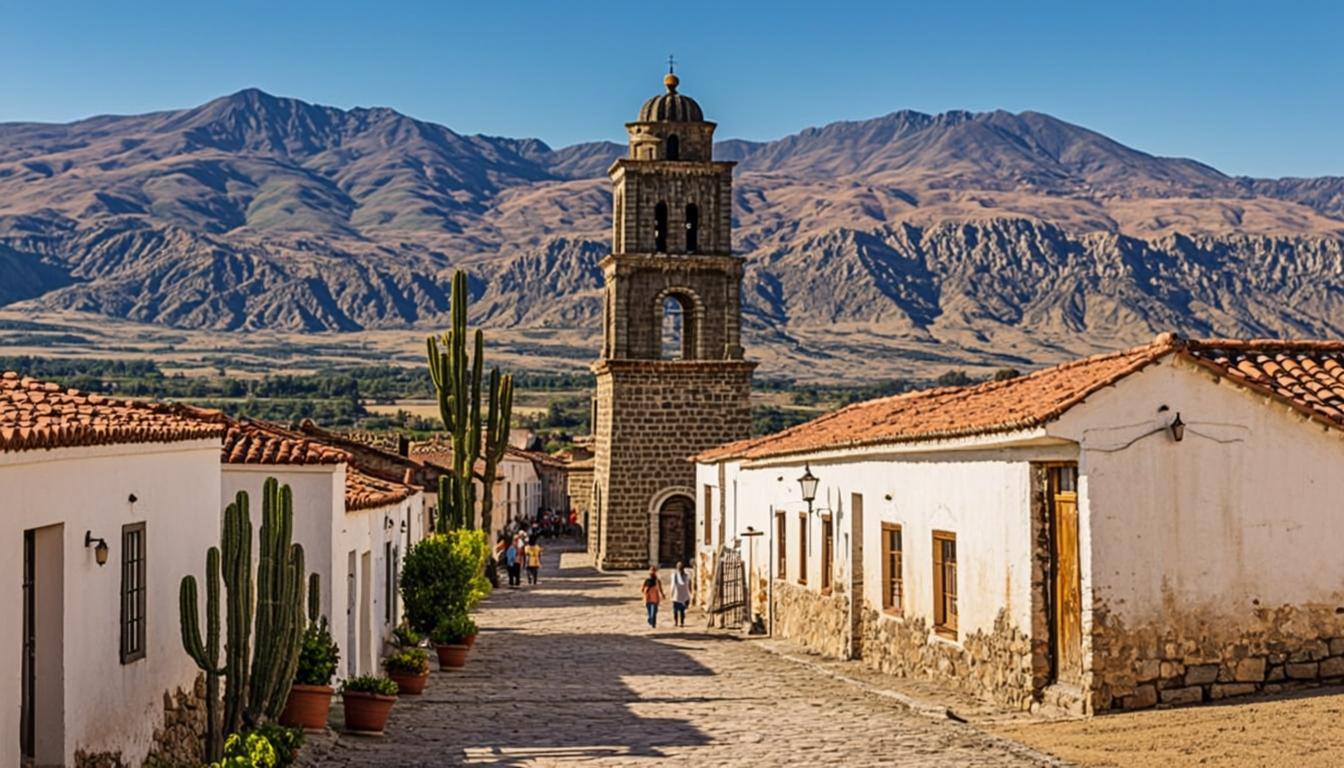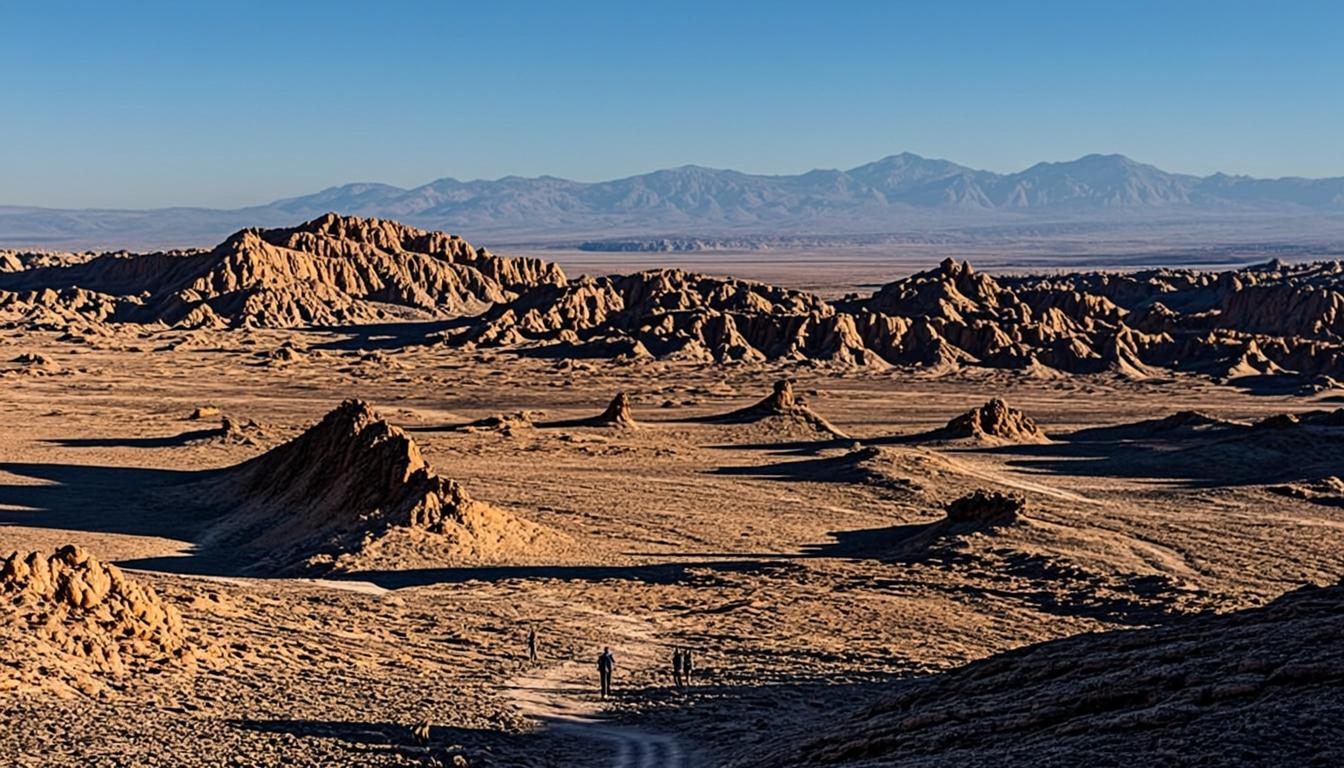
The most common planning mistake in San Pedro is booking three nights, two tours and a 4:30am geyser departure on day one. Altitude makes the first day slower than you think. Here is the honest math on how many days Atacama deserves, with sample splits for every trip length.
The honest answer
Three full days is the workable minimum: one for the salt valleys at sunset, one for El Tatio, one for the high lagoons or the salar. Four to five is the sweet spot — it buys the acclimatization day that makes the rest enjoyable, plus a buffer for wind, clouds or a road closure. Fewer than three days and you are paying for flights to see half the desert.
The ceiling is soft. Beyond a week most people add Bolivia rather than more Atacama — the Uyuni crossing is the natural extension, and it stacks perfectly on the end of an Atacama week. Within Atacama proper, five days covers every headline site without the schedule feeling like a van relay.
Short version: 3 days minimum, 4–5 ideal, 7 only if Bolivia or genuine downtime is the point.
Why day one must be easy (altitude again)
You land at 2,260 m in Calama and sleep at 2,450 m. For most people that is uncomfortable, not dangerous — but it means your first 36–48 hours are for town, slow walks and early nights, not for a 4,320 m geyser sunrise. The standard sequence that works: an easy town day, then Valle de la Luna or Death Valley on day two, then high country from day three. Our altitude guide has the full protocol.
This is why two-day packages advertised from Calama are a trap: they compress acclimatization to zero, and you spend the money feeling sick. If your calendar truly only allows two days, cut the high country entirely and do the valleys, the town sites and a stargazing night — a good short trip beats a bad complete one.
The day-order rule altitude dictates
However many days you have, the order is not a preference — it is physiology. The sequence that works: low on day one (town sites under 2,600 m), mid on day two (the salt valleys at 2,450–2,700 m), high from day three (El Tatio 4,320 m, Piedras Rojas 4,145 m, Salar de Tara 4,800 m). Every night you sleep back at 2,450 m, which is what makes the next morning's climb survivable.
Two flexible pieces slot anywhere. A Valle de la Luna sunset works on any evening of the trip — it is the lowest headline site and needs no acclimatization — which makes it the safety valve when a storm or a slow morning reshuffles the schedule. And stargazing is seated and effortless, so it fits night one even though you only landed that day.
This is also why El Tatio can never be day one, whatever the booking widget suggests: a 4:30am departure puts you at 4,320 m after a single night at altitude, in the cold and the dark, exactly when acute mountain sickness risk peaks. Day three or later, full stop. The ready-made sequences — 3 days and 5 days — are built on this rule, and the altitude protocol explains the physiology behind it.
Low, mid, high — with two zero-effort evenings (sunset valley, stars) floating free. Break the order and the desert punishes the whole itinerary, not just one day.
Sample splits: 3, 4, 5 and 7 days
Read each column left to right. The order is deliberate: low altitude first, high country from day three, buffers where you can afford them. Swap freely within a column — the weather, not the calendar, should decide which lagoon day is which.
Notice what the 3-day version sacrifices: the buffer. One windy day (a real occurrence at the lagoons) or one delayed flight and your trip loses a headline site.
That is the whole argument for the fourth night — it usually costs less than the tour it protects.
3 vs 4 vs 5 days: what actually fits
The splits table above shows schedules; this one shows coverage. "Headline sites" means the five things most people fly for: the salt valleys at sunset, El Tatio at dawn, the high lagoons (Piedras Rojas + Lagunas Altiplánicas), one deep-desert day (Tara or Rainbow Valley) and a stargazing night.
Note the asymmetry: going from three days to four buys the most valuable thing in this desert — a spare morning; going from four to five buys comfort. Both are worth it; only your calendar decides which one you can afford.
Three days works. Four days forgives. Five days breathes.
What three days leaves out
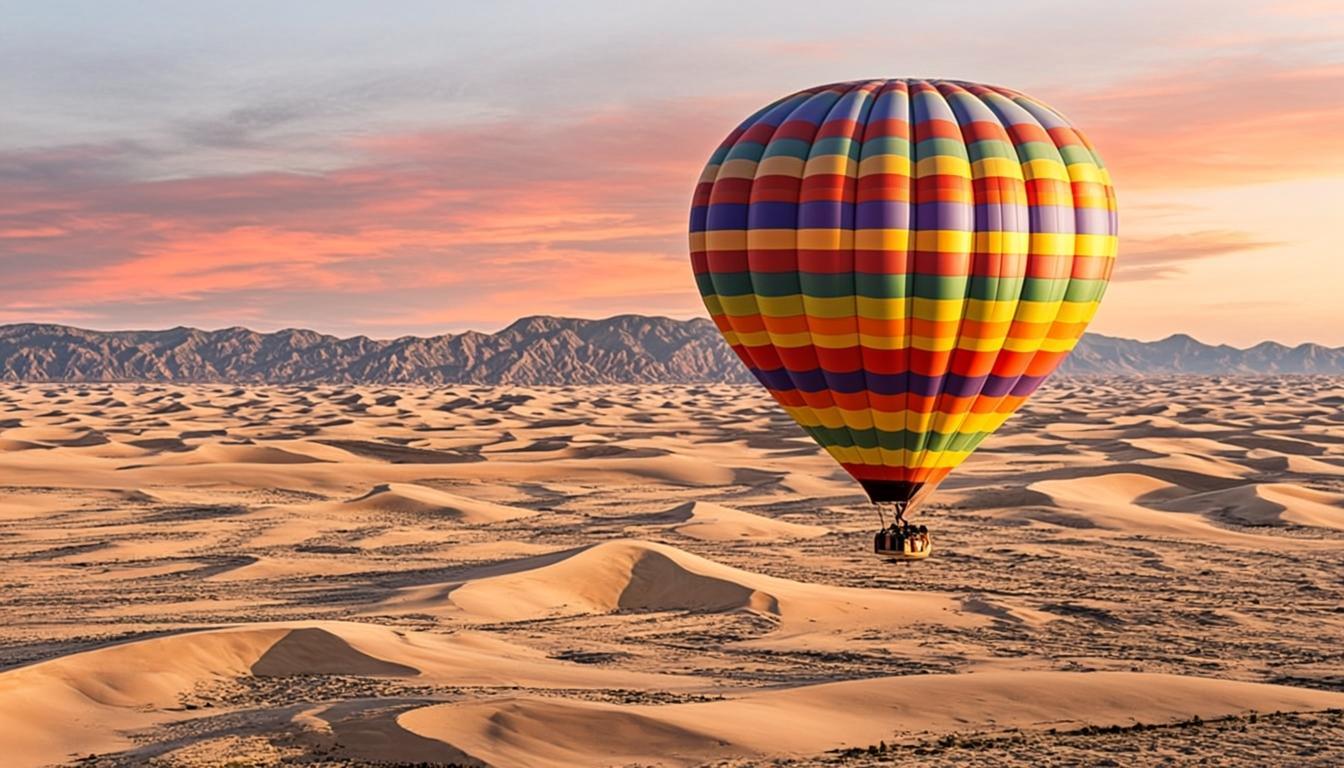
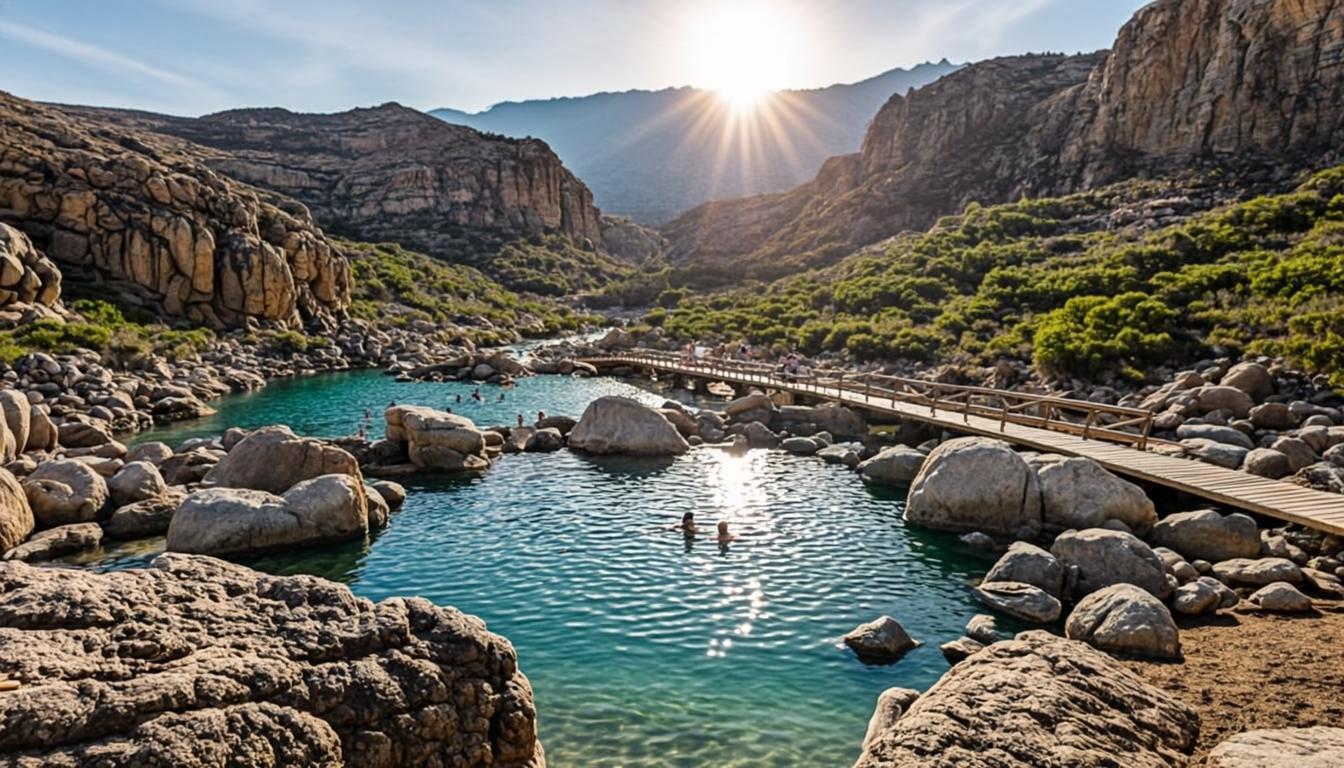
A tight 3-day trip cannot include Salar de Tara (4,800 m — needs day four anyway), Rainbow Valley, the Puritama hot springs at a relaxed hour, or a balloon flight. It also cannot include the thing experienced travelers value most: an unplanned afternoon by the pool. If your must-list has more than three entries, book the fourth night now — it is cheaper than a return trip.
If you are self-driving, three days also skips the places tours handle better: Salar de Tara's border-road access and El Tatio's dawn timing are operator value, not road value. Rent the car for day five instead, and let the guides run the complicated mornings.
Seven days and beyond: Bolivia and the slow add-ons
With a week, the best value is not another Atacama sunrise — it is the 3-day Uyuni crossing that starts 150 km from your hotel, already acclimatized. Alternatively, spend the days differently: a horseback ride in the cordillera, an afternoon in Toconao and the Campanario, or the town's small meteorite museum between tours.
Whatever the length, use the trip planner to slot activities into altitude-safe mornings and afternoons — it enforces the day-three rule for high sites automatically, which is the single most common planning error we see.
Frequently asked questions
Sources & verification
Every fact in this guide was checked against Chilean institutions and reference services. We list the sources so you can verify the basics yourself — and because we do not accept sponsored claims from tour operators.
- CONAF — fees, opening rules and weather closures for Reserva Nacional Los Flamencos sites that shape the day order
- SERNATUR — official tourism guidance for structuring a San Pedro visit
- MeteoChile — seasonal weather patterns that decide which activity fits which day
- timeanddate — daylight and sunset times that bound how many stops fit in a day
External links open in a new tab and lead to official Spanish-language pages. Park rules and fees can change seasonally — double-check before you travel.