Valle de la Luna is the tour everyone books first — and the site most people only half-see, because the difference between a rushed shuttle stop and a proper sunset here is enormous. This guide covers both ways to do it: with a tour, by bike, and where the light actually lands.
What Valle de la Luna actually is
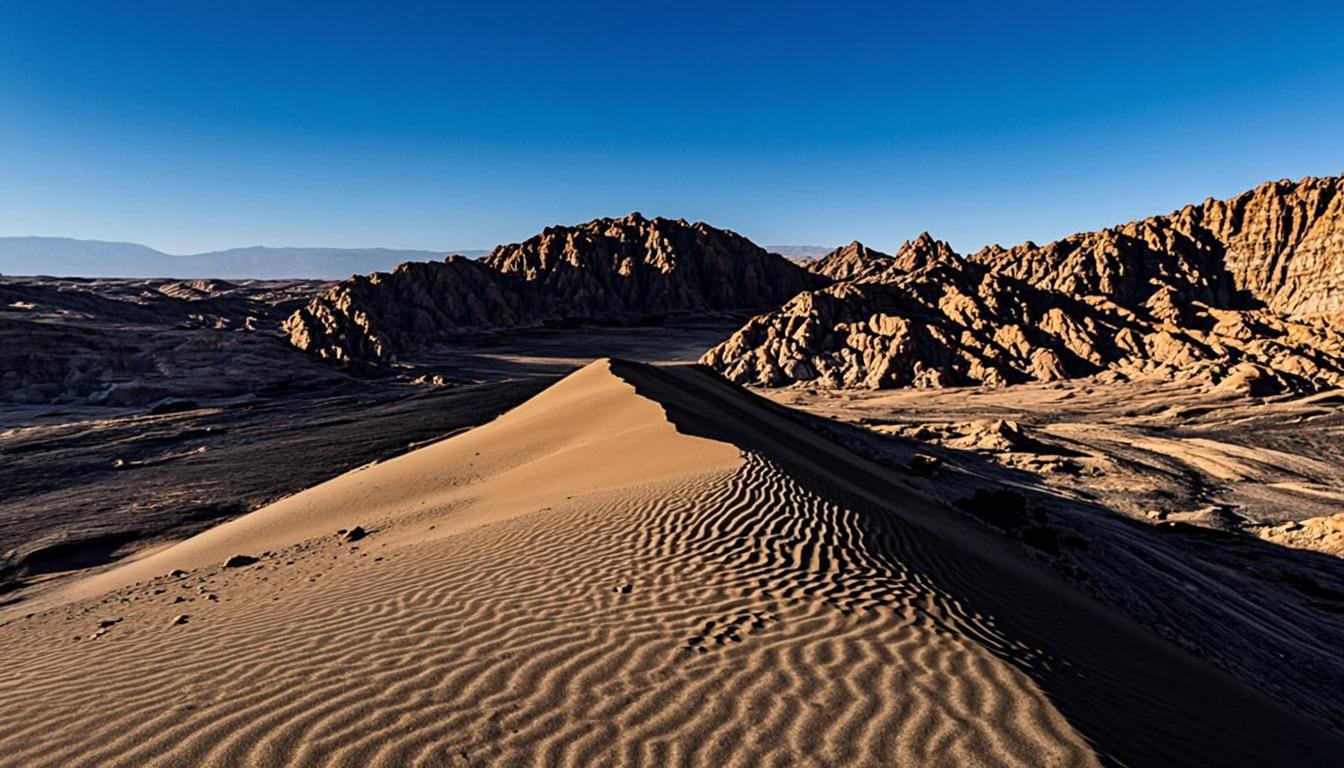
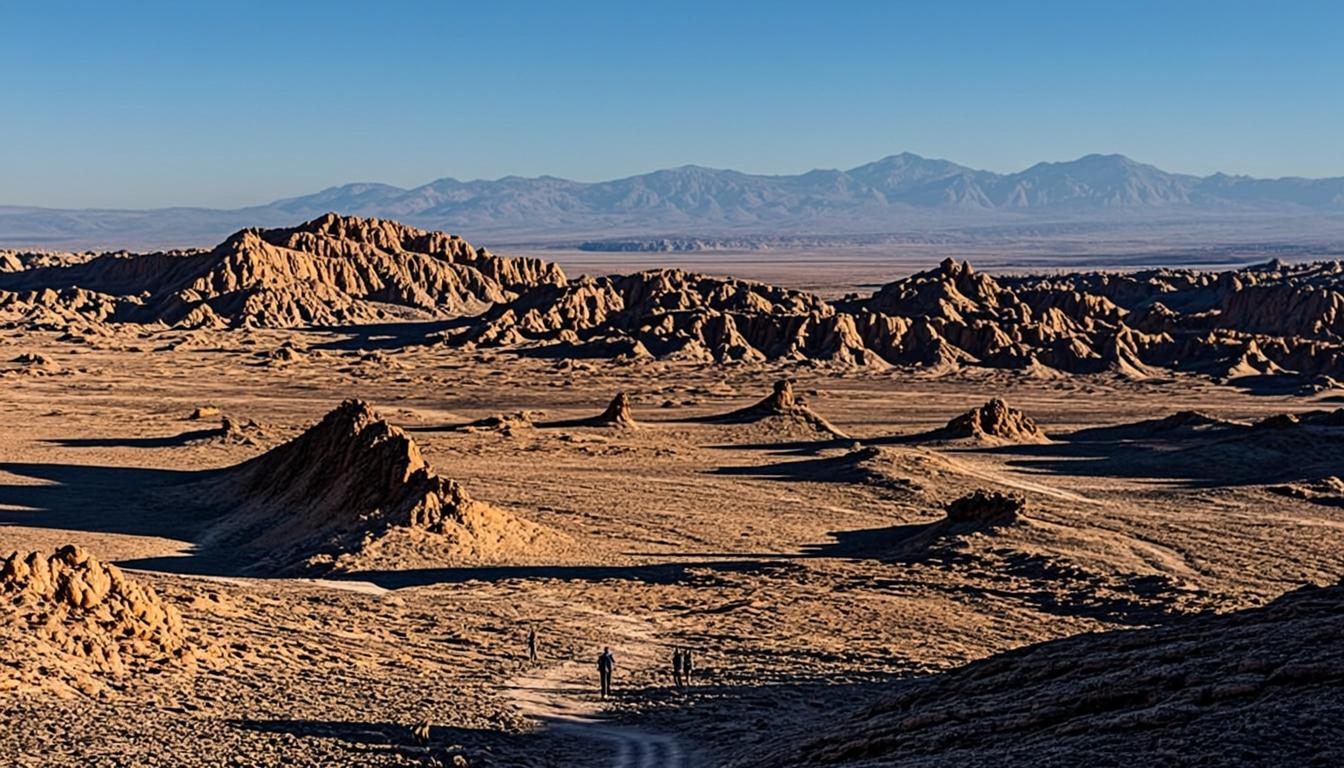
Thirteen kilometers west of town, the valley sits in the Cordillera de la Sal — a range of salt, clay and gravel laid down when this basin held lakes a million years ago. Wind and rare rain carved it into dunes, amphitheaters and badlands; space agencies have tested Mars instruments in this desert because the terrain and dryness come closer to the red planet than anywhere accessible. The name is not subtle: at golden hour it looks like nowhere on Earth.
It is also the easiest headline site to visit: twenty-five minutes from town, paved the whole way, walkable paths and no altitude problem — which is why it is the classic first or second day activity and the anchor of most first-timer itineraries.
Sunset tour vs self-guided bike: the honest comparison
A sunset tour (US$63 for the full version; a 3-hour variant runs US$32) handles the two hard parts: timed entry slots and the ride home in the dark. Guide quality varies more than on any other Atacama tour, so compare operators in the comparison table before booking — the good ones get you onto the dune an hour before light, and the bad ones herd you through parking-lot viewpoints.
By bike (US$8–10/day rental), you own the schedule: the ride out is flat-to-gentle on a paved road, and entering after 4pm puts you in the valley's best light. The catch is the return — thirteen kilometers back on an unlit road after sunset, with a temperature drop and the occasional gust. Bring lights, a jacket and honest self-assessment. Self-guided is also the only way to linger; every tour keeps a clock.
Bike if you are confident and want freedom; take the tour if sunset photography or a relaxed return matters more than US$50.
The stops that matter (and the light for each)
Every operator hits the same spine of stops; only the order changes with your entry slot. Here is what each one is actually worth, and when it looks best:
Two practical notes: the ticketed sector and the separate Kari viewpoint have different checkpoints, so confirm both when you book.
Coyote Stone sits at the Valle de la Muerte overlook, not inside the Moon Valley ticket — combination tours cover it in the same afternoon.
The 5 stops inside Valle de la Luna, ranked
If you get one visit, here is how the core stops rank for a first-timer — ranked on payoff for effort, not on fame. Time estimates assume you are not fighting a tour clock; group tours compress each stop toward its minimum:
Two honest notes on the ranking: the dune earns first place but demands the most effort — soft sand plus mild altitude make it slower than it looks; and the caves, like everything salt here, close after rain.
If a slow group clogs the dune at your sunset slot, do the overlooks first and return — never skip the dune entirely.
Build the visit backwards from Duna Mayor at golden hour — everything else is a warm-up or a cooldown around it.
Tickets, fees and the rules (including drones)
Entry costs CLP 12,000 for foreign adults, and the reserve uses timed online tickets — book the sunset slot days ahead in high season, because it sells out. The rules are enforced with real fines: stay on marked trails (the salt crusts host living microsystems and footprints last years), no drones anywhere in the sector, no dune climbing outside your slot, and full closures after rain, when salt crusts turn slick and unstable. Storms during the Bolivian winter can shut the valley for 24–48 hours.
One more rule that surprises people: you cannot stay for stars. The reserve clears visitors at closing time, so if night-sky viewing is the goal, book a stargazing tour elsewhere — the valley is for golden hour, not for the Milky Way.
Book the sunset slot online before you arrive in town — walk-up sunset tickets are the first thing to sell out, and the reviews of people who missed them all read the same.
Sunset logistics: why getting out before dark matters
The reserve closes at sunset, hard: rangers sweep the sectors and the gate shuts around 19:45–20:00 depending on the month, and no, you cannot linger for stars — stargazing tours run at separate dark-sky sites. What surprises first-timers is the speed of the change: the sun drops behind the cordillera, the temperature falls 8–10 degrees within the hour, and the light goes from golden to nothing in about twenty minutes.
The scramble out is the real hazard. Dozens of cyclists race the same unlit road back to town on popular evenings, some without working lights, mixed in with tour vans that all pull out between 19:40 and 19:50. Cycling: leave before official sunset, get lights on early, and pull wide when a van queue forms behind you. Driving: expect a slow caravan and let it be slow.
A workable tour-evening rhythm: timed entry around 16:30–17:00, the dune at golden hour, exit with the vans at 19:45, hotel by 20:15, dinner by 20:45. San Pedro eats late by Chilean standards, and this is the one night that runs like clockwork — so book the table for after, not during.
Sunset here is a scheduled event with a hard out-time — plan the exit as carefully as the entry.
Combining Valle de la Muerte and the rest of the cordillera
Directly across the road, Valle de la Muerte is the valley's wilder little sibling — the same salt mountains, a fraction of the visitors, and the Piedra del Coyote overlook where most sunset photos happen. Combination tours (from US$42) run both in one afternoon; if you are self-guiding, do both by bike from town with a headlamp in the bag.
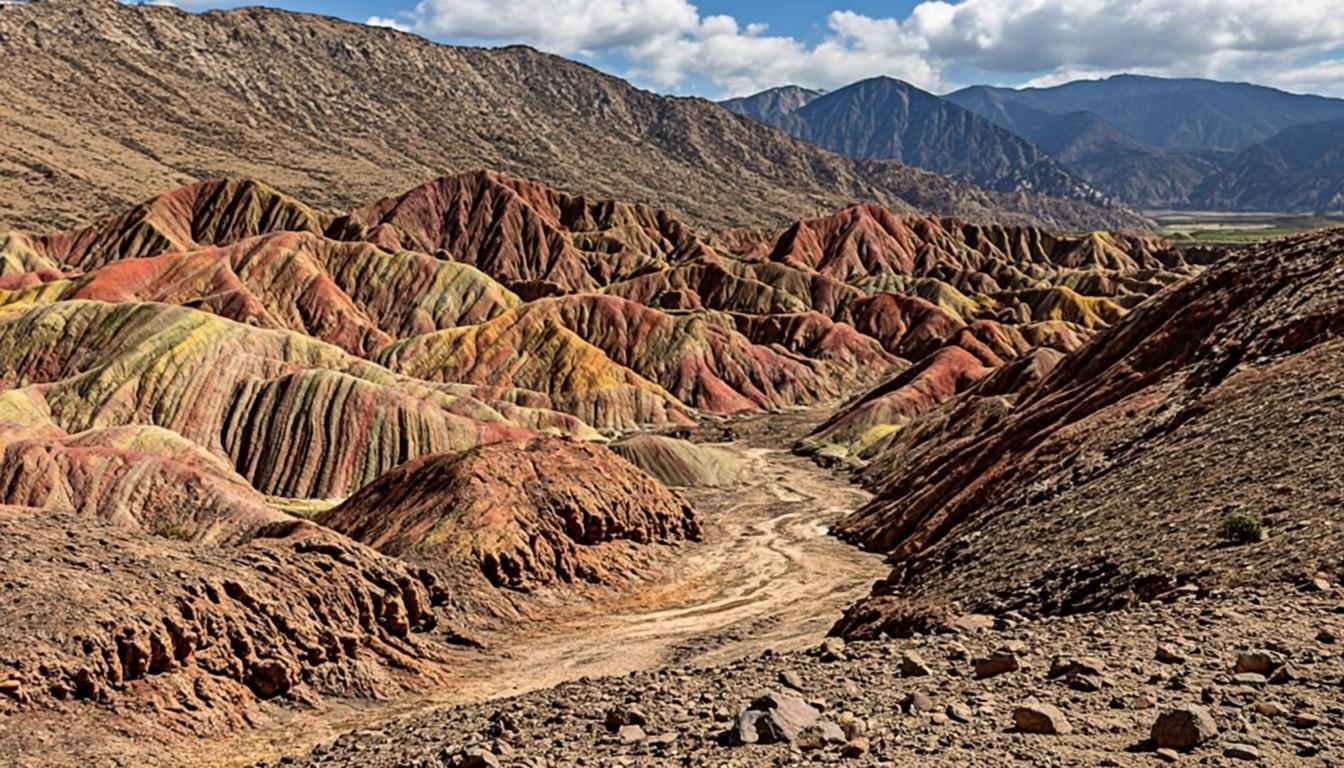
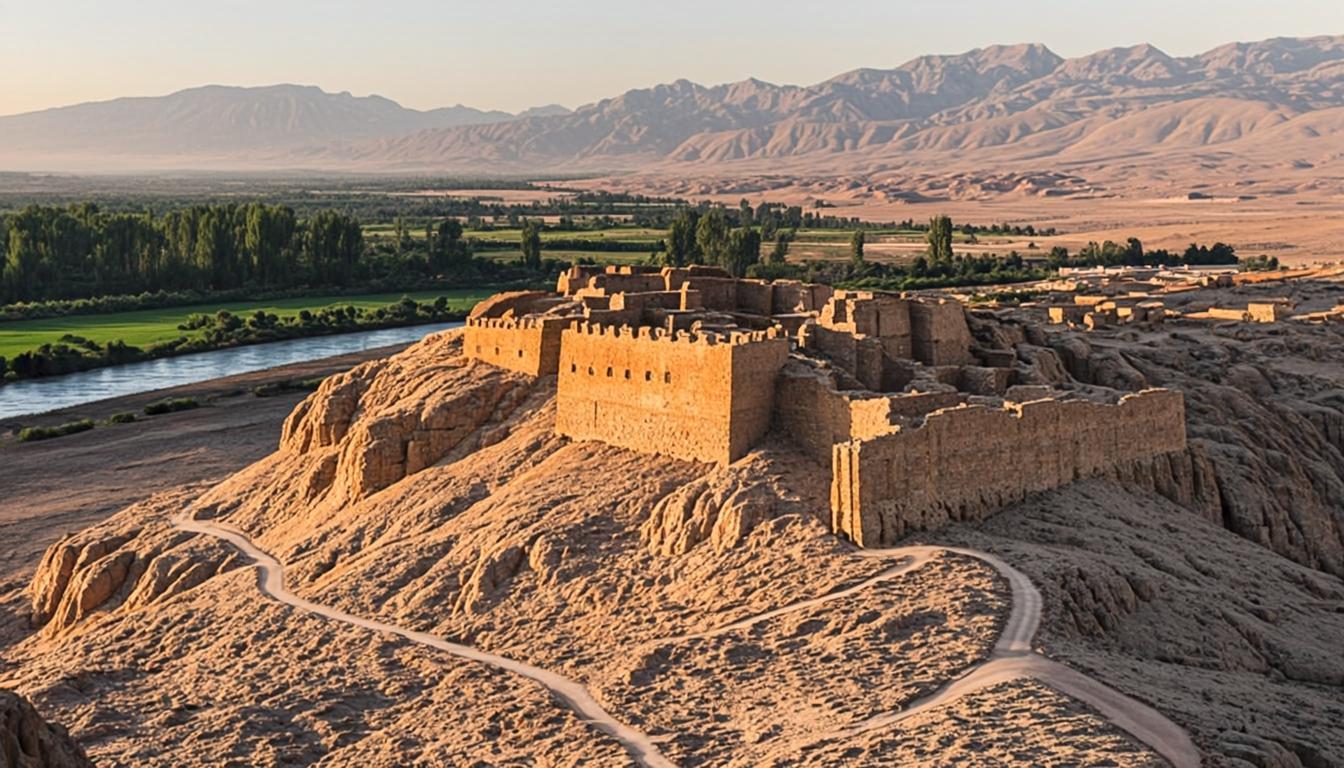
Farther out, Valle del Arcoíris adds color-banded hills an hour northeast, pairing naturally with a morning at the Pukará de Quitor ruins. That trio — Moon Valley, Death Valley, Arcoíris — is the cordillera sampler, and it fills a day without a single 4am alarm.
Frequently asked questions
Sources & verification
Every fact in this guide was checked against Chilean institutions and reference services. We list the sources so you can verify the basics yourself — and because we do not accept sponsored claims from tour operators.
- CONAF — rules, hours and entrance fees for Reserva Nacional Los Flamencos (Valle de la Luna sector)
- timeanddate — sunset times and day length that define the evening-entry window
- MeteoChile — wind and temperature conditions in the Cordillera de la Sal
- SERNATUR — official tourism information for the salt-valley sectors around San Pedro
External links open in a new tab and lead to official Spanish-language pages. Park rules and fees can change seasonally — double-check before you travel.